
Mutton Chops Beard Styles: 12 Bold Looks to Try in 2026

Mutton Chops Beard Styles are thick side whiskers that run from the temple down past the jaw. The chin stays bare, which separates this beard from a full one. Hair grows long on the cheeks and wide at the jaw corners. Most chops sit one to three inches long and read bold from any angle.
Square and oblong faces carry full chops well because the width balances a long jaw. Round faces should skip bulky versions, since extra cheek width makes the face look wider. Straight, coarse hair holds the shape with less trimming than fine hair does. Plan on a shape-up every two to three weeks if you want clean lines.
Quick Answer
Mutton Chops Beard Styles keep the cheeks and jaw heavy while the chin stays clean. They suit square and oblong faces that can carry real width at the jaw. Expect one to three inches of length and a shape-up every two to three weeks. Ask your barber to square the bottom edge and soften the cheek line.
What Is a Mutton Chops Beard?
A mutton chop beard grows thick on the cheeks and stops at the jaw corner. The temple line marks the top edge, and the chin stays completely bare. Nothing sits under the mouth, which separates this look from a goatee. Men ask for it because the shape widens the lower face and reads bolder than stubble.
The closest cousin is the friendly mutton chops, which joins the sideburns to a moustache. A plain chop leaves a gap above the mouth, so the moustache and the cheek hair never touch. That single connection changes the whole silhouette, because the eye reads one continuous band. Barbers cut both versions with scissors over comb rather than clippers alone.
Length is the part most men underestimate, because cheek hair grows about half an inch a month. Reaching a full chop from a clean face takes roughly four to six months of patience. The hair grows about half an inch a month everywhere, and the jaw corner fills in last. Trim the outline every two to three weeks and let the bulk keep growing.
Density matters more than length here, so patchy cheeks show every gap. Men with light or fine hair get the cleanest lines and the least daily work. Curly and coily hair grows into a rounder shape that needs a heavier cream. It is a statement beard, which means it suits confident dressers more than quiet ones.
Best Mutton Chops Beard Styles for Men
Picking a variation comes down to your face width, your cheek density and your schedule. Some versions add bulk at the jaw, while others keep the outline tight and clean. Read your face shape first, then choose an upkeep you can honestly keep. Every cut below keeps the same core shape but changes the length and finish.
Classic Mutton Chops
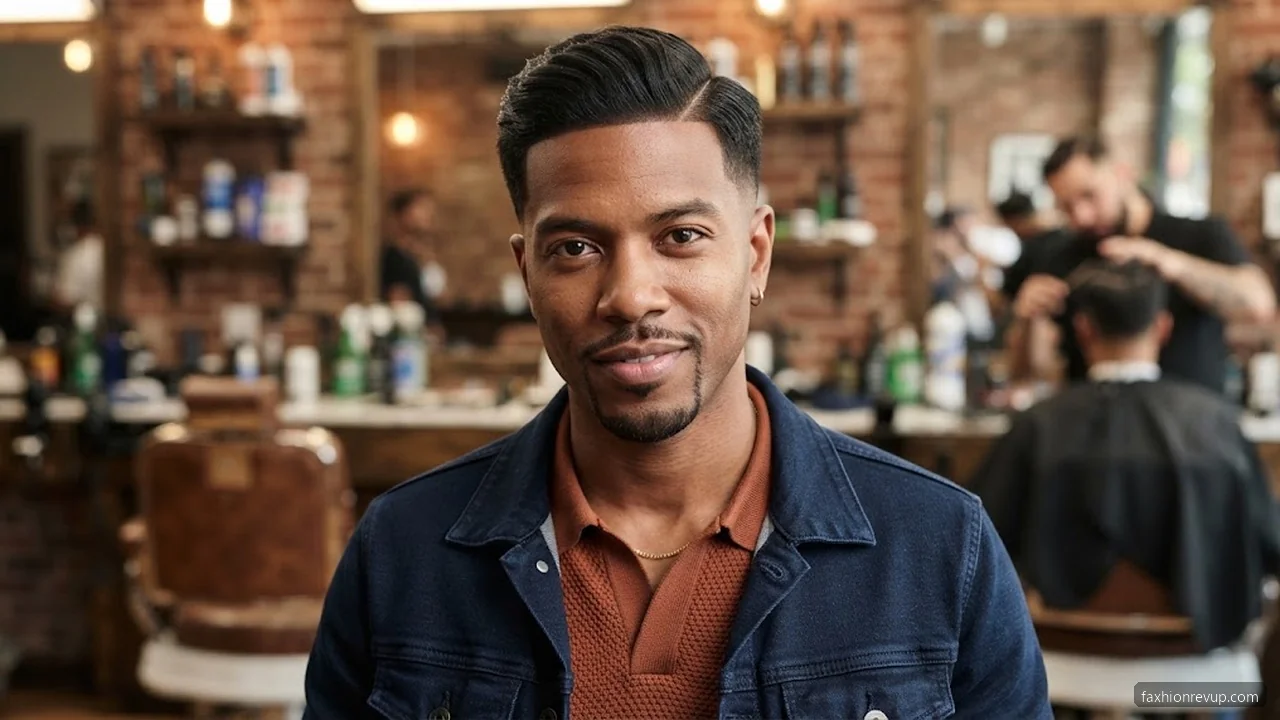
The classic version runs a full three inches at the jaw and keeps the cheek line squared. From the front, the two sides look heavy and even, like a pair of thick brackets. The side view shows a straight bottom edge that follows the jaw rather than curving up. Nothing touches the moustache, and the chin stays clean down to the skin.
It suits square and oblong faces that can carry real width at the jaw. Straight or wavy hair between 2A and 2C holds the square edge without much help. Run a small amount of beard balm through damp hair, then brush the sides down and out. A quick thirty seconds with a boar-bristle brush keeps both sides even.
Expect a shape-up every two to three weeks, because the bottom edge grows fuzzy fast. The jaw corner loses its line first, and the cheek top follows within days. Ask for a scissor trim on the length and a razor line on the cheek. Skip the razor if your skin reacts, and use a trimmer with no guard instead.
Friendly Mutton Chops
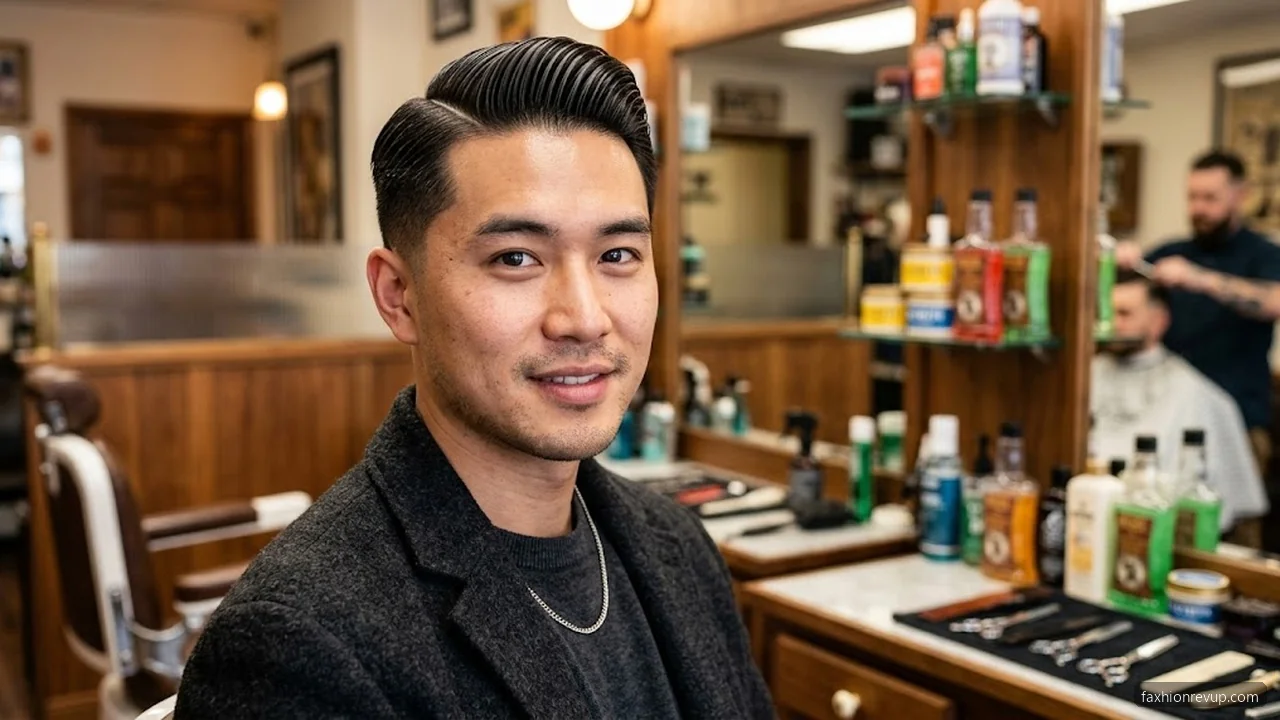
The friendly version joins cheek hair to a full moustache, which makes the lower face read as one piece. That connection leaves no bare skin above the lip and no gap at the corners. Length usually sits around two inches, which keeps the shape tidy instead of wild. The back stays clean, and the sides stop right at the jaw.
Diamond and heart faces wear it well, because the joined moustache adds weight to a narrow chin. Coarse hair from 2C to 3B fills the connection quickly without extra product. Work a dime-sized amount of beard butter through the moustache and cheeks, then comb both sides outward. Book a touch-up every three weeks, since the outline blurs first.
Short Mutton Chops
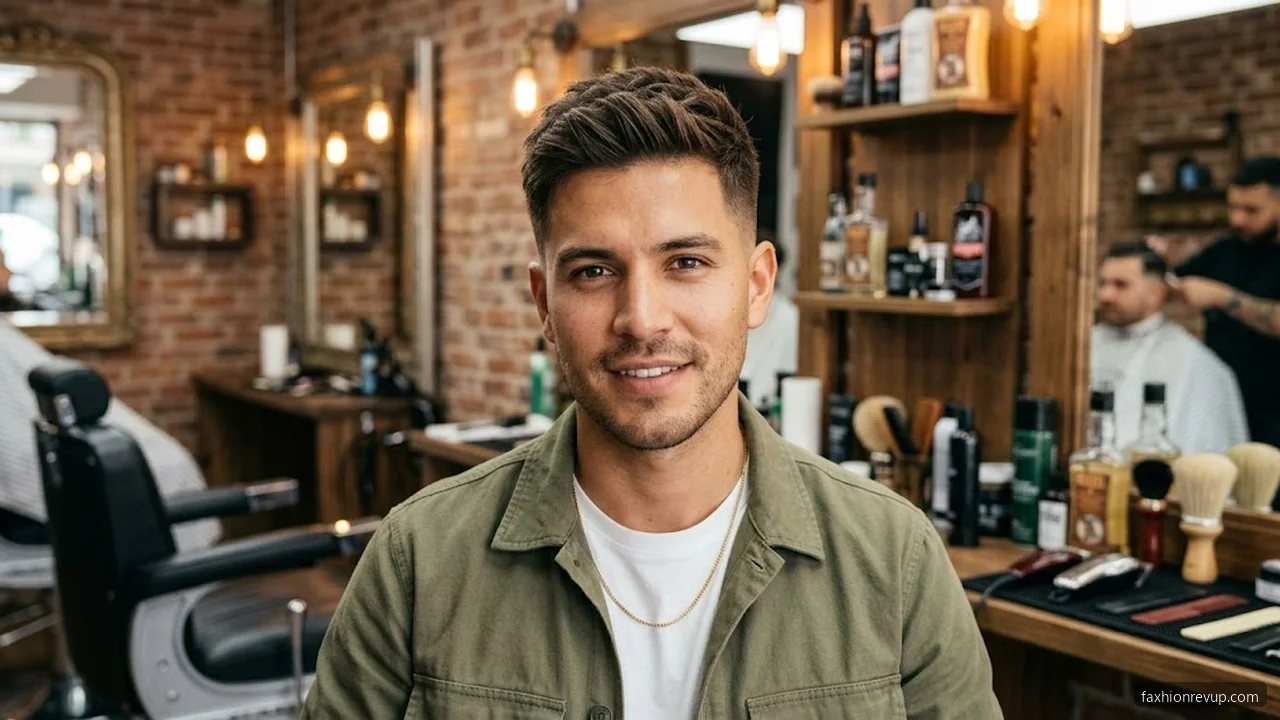
Short chops stop around half an inch at the jaw and hug the cheek instead of hanging past it. The outline stays sharp because there is less hair to blur the edge. From the side, the bottom line sits just above the jaw corner rather than below it. This is the version to pick when you want the shape without the bulk.
Oval and triangle faces carry short chops easily, since the smaller shape will not widen the jaw. Wavy hair from 2A to 2C looks fuller at this length and needs no heavy product. Rub a pea-sized amount of matte clay into the cheeks and press the edges flat. Book a trim every two weeks to keep the bottom line crisp.
Thick Mutton Chops

Thick chops pack the most hair into the cheek and can reach four inches at the bottom edge. Volume builds outward from the jaw, which makes the lower face look wider and heavier. The top line sits high, close to the cheekbone, so the shape starts near the eye. Barbers thin the ends with scissors to stop the sides from ballooning.
Square and oblong faces wear this density best, because the extra volume balances a long jaw. Coarse hair from 2C to 4A fills the shape fastest and holds it all day. Warm a nickel-sized amount of beard balm between your palms and work it from the jaw upward. Shape it every three weeks, since thick hair shows uneven edges quickly.
Bushy Mutton Chops

Bushy chops run past four inches and flare out from the cheek instead of lying flat. The hair is left long at the bottom, so the edge looks soft and rounded rather than squared. From the front, the two sides frame the face like a wide pair of wings. They take real commitment, because the bulk needs daily combing to stay shaped.
Oblong and diamond faces handle the width well, since the flared sides shorten a long face. Wavy and curly hair from 2B to 3C gives the natural bulk this look needs. Use a small amount of leave-in beard conditioner, then comb outward and let it dry. A trim every four weeks keeps the ends from splitting and tangling.
Wolverine Mutton Chops

The wolverine beard takes the classic chop and pushes it wider and longer at the jaw. Hair flares out past the jawline in a rough, pointed shape that looks deliberately untamed. The moustache usually stays separate, and the chin stays shaved clean every morning. It reads as a costume piece on some faces and as a signature look on others.
Triangle and square faces suit the pointed jaw best, because the flare matches a strong bone structure. Thick straight or wavy hair from 2A to 3A holds the points without collapsing. Work a pea-sized amount of matte clay into the ends and pinch them into shape. Book a trim every three weeks to keep the points from turning shapeless.
Thin Mutton Chops
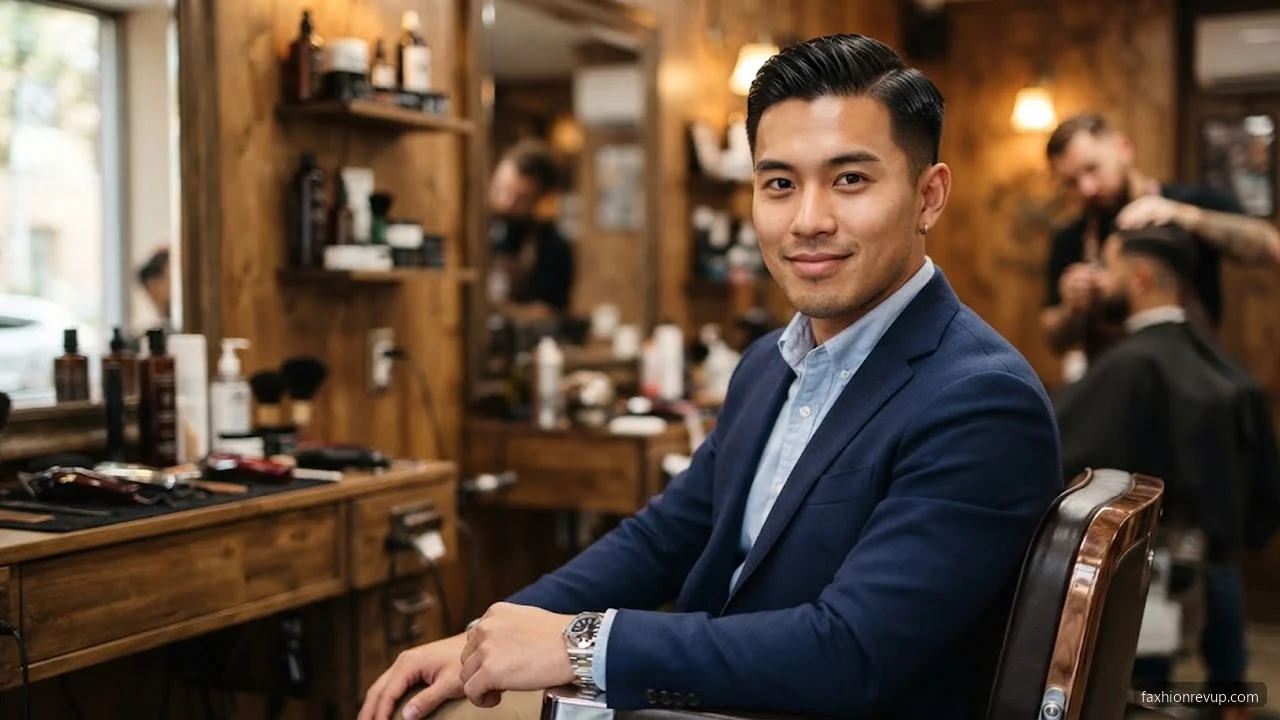
Thin chops keep the same outline but remove the bulk, so the hair sits close to the cheek. The bottom edge lands around one inch and stays narrow instead of flaring. Barbers taper the ends with clippers rather than leaving them blunt and heavy. This version suits men whose cheek hair grows patchy or uneven in places.
Oval and heart faces carry the lighter shape well, since it adds little width to the jaw. Loose wave and curl patterns from 2A to 3A look denser when kept short. Use a few sprays of sea salt spray and brush the sides flat against the skin. Book a touch-up every two weeks to keep the tapered ends looking intentional.
Stubble Mutton Chops
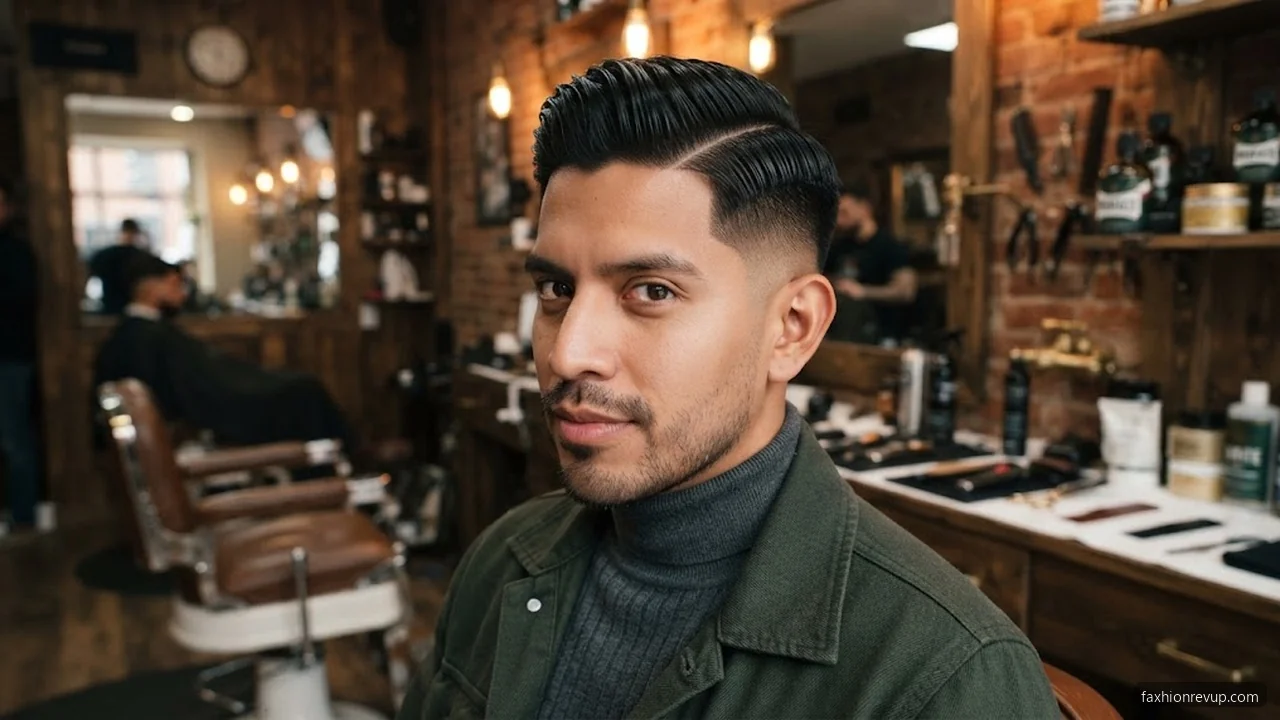
Stubble chops use a short, even layer of hair instead of full growth. Most barbers set them with a #2 guard, which leaves a quarter inch. The shape still runs from temple to jaw, but the surface stays flat and rough. Because the hair is so short, the outline reads more like a shadow than a beard.
Round and heart faces wear stubble chops well, because the flat surface adds texture without width. Straight or slightly wavy hair from 2A to 2B takes the guard evenly across the cheek. Rub a pea-sized amount of matte clay over the stubble to stop it looking flat. Trim it every two weeks at home to keep the layer even and sharp.
Tapered Mutton Chops

Tapered chops shorten the sideburns and nape while keeping some length there. The cheek line stays defined, but the top edge blends into the skin instead of stopping hard. Most barbers taper from a #1 near the temple up to a #3 at the jaw corner. That soft top makes the beard look tidier without losing any width.
Square faces suit tapered chops, because the defined cheek line sharpens a strong jaw. Coarse hair from 2C to 4B blends cleanly through the guard steps without patchy gaps. Use a dime-sized amount of beard butter on the jaw and leave the faded top bare. Refresh the taper every three weeks, since the blend line softens first.
Modern Faded Mutton Chops

The modern version pairs full chops with a skin fade on the head. That fade climbs high and pulls the eye upward toward the beard. Beard length stays full at the jaw while the ear area goes to a #0. A hard line separates the two, and that line is the whole point.
High fades and tight sides suit square faces that already have strong bones. Straight hair from 2A to 2B on the head takes the #0 cleanly without showing irritation. Keep the beard conditioned with a small amount of beard oil and leave the faded skin dry. Book a fade touch-up every two weeks, since the skin fade grows out first.
Wide Mutton Chops

Wide chops grow outward from the cheek rather than downward, so the beard extends past the jawline. The bottom edge sits around two inches, but the sides reach three inches across. That horizontal spread is what separates this shape from the classic cut. From the front, the beard looks almost as wide as the cheekbones.
Oblong and oval faces benefit most, because the extra width shortens the look of a long face. Curly and coily hair from 3A to 4A spreads outward on its own with very little help. Apply a dime-sized amount of curl cream and scrunch the sides outward while damp. Shape it every three weeks so the width stays even on both sides.
Long Mutton Chops
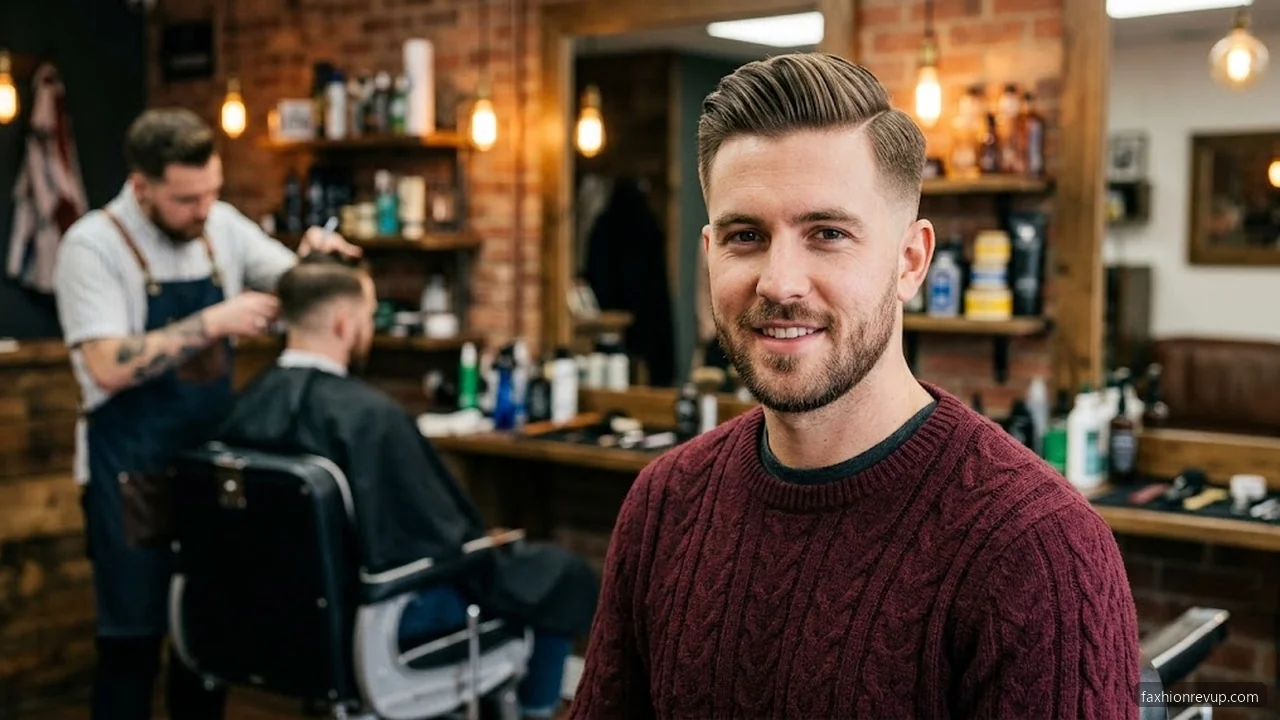
Long chops drop below the jawline and sometimes reach the collarbone after a year of growth. The bottom edge hangs past the chin level, which adds length to the whole face. Hair stays full at the cheek and narrows slightly toward the ends. This version needs regular conditioning, because long beard hair dries out at the tips.
Diamond and heart faces wear long chops well, since the length fills a narrow chin. Thick wavy hair from 2B to 3B gives the ends enough weight to hang instead of frizzing. Work a dime-sized amount of beard oil into the ends every morning and comb downward. Trim every six weeks to even the ends, and never shorten the overall length.
Mutton Chops with Goatee

This pairing adds a separate goatee on the chin while the cheeks stay full and thick. A thin strip of bare skin runs between the goatee and each chop, so the three pieces stay distinct. The moustache usually connects to the goatee but not to the cheeks. That gap is what keeps the look from turning into a full beard.
Square and oblong faces carry this combination, because the chin patch adds length and the cheeks add width. Coarse hair from 3A to 4B builds all three sections without looking thin. Use a small amount of beard balm on the goatee and a lighter touch on the chops. Shape everything every two weeks, since three separate outlines show mistakes fast.
Salt and Pepper Chops

Salt and pepper chops show the natural mix of dark and grey hair across the cheeks. The colour shift usually starts at the sideburn and spreads toward the jaw corner over time. Because the two tones sit side by side, the shape reads softer than a solid dark chop. Most men keep the length at two inches so the grey stays visible throughout.
Square and oblong faces wear the lighter tone well, since grey hair catches light differently. Wavy hair from 2B to 3C spreads the two colours evenly instead of clumping them. A few drops of beard oil add shine without darkening the grey strands. Shape it every three weeks to keep both sides matching in tone and length.
Mutton Chops for Black Men

Coily hair from 4A to 4C grows outward, so the chops take a rounder shape. Most barbers keep the length near two inches and control the bulk with scissors. The bottom edge stays soft rather than squared, because tight coils will not hold a hard line. A sponge or soft brush trains the hair into an even layer.
Round and triangle faces carry this shape, since the round edge softens a wide jaw. Dark, thick coils show every clipper mark, so ask for scissors over comb instead. A dime-sized amount of curl cream defines the coils and stops them frizzing by midday. Book a shape-up every two weeks to keep the outline looking deliberate.
Curly Mutton Chops
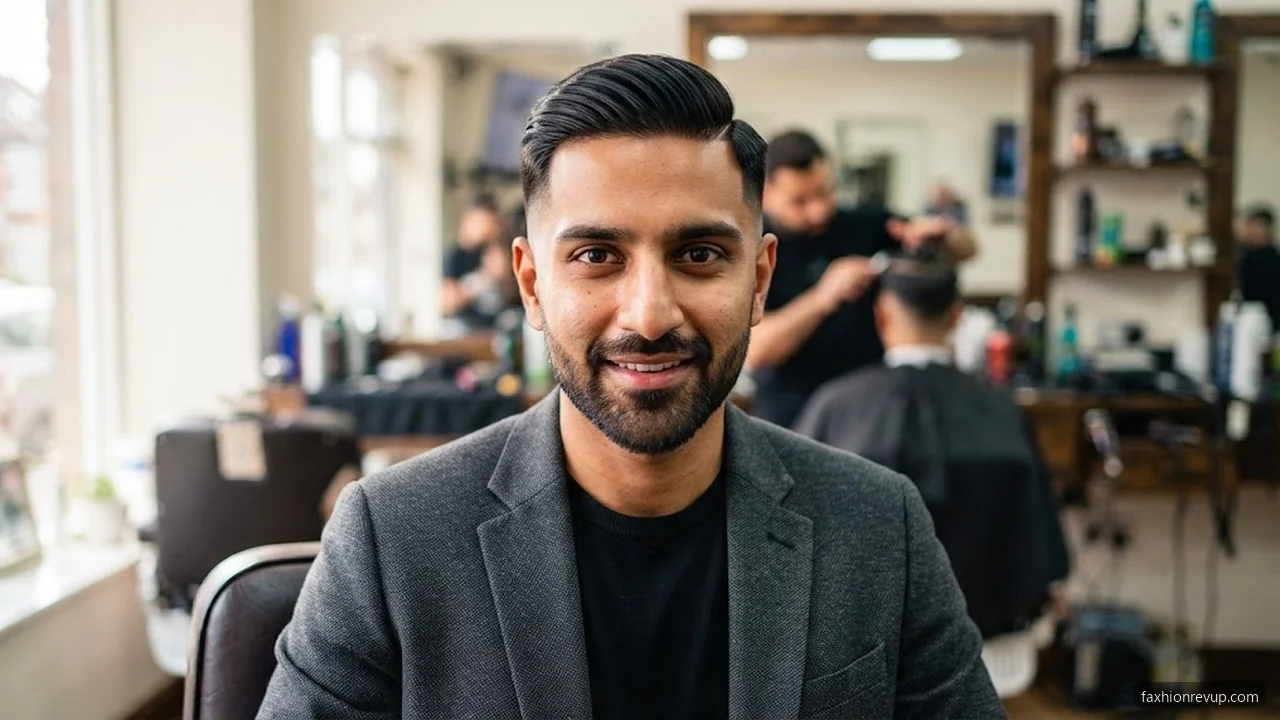
Curls shrink as they dry, so cut curly chops wet and expect them to sit shorter. A two-inch chop on the jaw may look like one inch once the curl sets. Barbers usually leave extra length at the bottom to allow for that spring back. The shape ends up rounder and softer than straight hair ever gets.
Curl types 3A to 3C suit this cut best, since the pattern holds volume without help. Heart and diamond faces wear the round shape well because it fills a narrow chin. Rake a dime-sized amount of curl cream through damp hair and let it air dry. Trim every four weeks and cut only the outline, never the bulk.
Asymmetrical Mutton Chops

One side grows longer than the other, which gives the beard a deliberate slant. The long side usually runs three inches at the jaw while the short side stops near one. Most men keep the long side on the part side so the line follows the hair. The moustache stays even, and the chin stays clean on both sides.
Oval and heart faces carry the slanted shape, since the angle breaks up soft features. Straight and wavy hair from 2A to 2C shows the different lengths most clearly. Comb both sides with a small amount of beard balm and let the long side fall. Shape the outline every three weeks, and check the mirror straight on before you leave.
Mutton Chops with Soul Patch
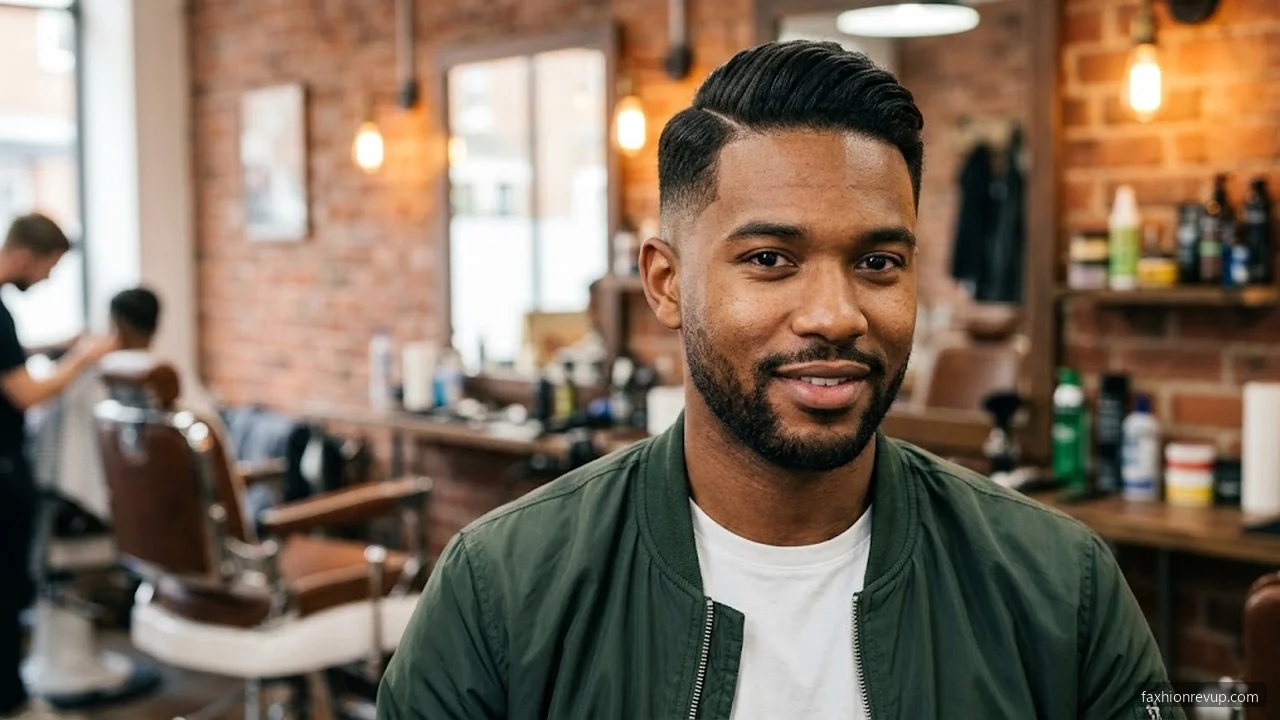
A soul patch sits just below the lower lip, separate from the cheek hair. That small patch adds a focal point without filling the chin like a goatee does. A narrow strip of bare skin keeps the patch distinct from both chops. Most men keep the patch short, around half an inch, so it reads clean.
Square and round faces wear this combination, since the patch adds length to the chin. Fine hair from 2A to 3A keeps the patch looking neat instead of heavy. Use a trimmer with a #1 guard on the patch and a pea-sized amount of clay on the cheeks. Shape the whole look every two weeks to keep the three edges sharp.
Which Mutton Chops Fit Your Face Shape?
Your face shape decides which chop adds balance and which one fights your bone structure. A long face wants width at the jaw, while a wide face wants the sides kept tighter. Read the row that matches your shape before you book the chair. Each row names the variation and the length that suits it best.
| Face Shape | Best Mutton Chops Variation | Why It Works |
|---|---|---|
| Oval | Short mutton chops | Half an inch at the jaw keeps the balanced shape tidy |
| Round | Stubble mutton chops | A #2 guard adds texture without extra cheek width |
| Square | Classic mutton chops | The squared three-inch bottom edge matches an angular jaw |
| Oblong | Wide mutton chops | Three inches of sideways spread shortens a long face |
| Heart | Friendly mutton chops | The joined moustache adds weight below a narrow chin |
| Diamond | Bushy mutton chops | Flared sides fill the temples and soften wide cheekbones |
How Do You Shape Mutton Chops?
Shaping starts with dry hair, because wet chops stretch and hide the real outline. Comb the cheek hair straight down and let it sit for a minute. Look at the bottom edge in a mirror and find the lowest point on each side. That lowest point sets the line you will trim toward on both sides. See American Academy of Dermatology hair care guidelines for more.
Trim the bottom edge with scissors held parallel to the jaw, taking small amounts. Work from the jaw corner toward the sideburn on each side, and check the mirror between passes. Never cut the top of the cheek line, because that edge takes months to grow back. Leave the outline slightly longer than you want it, then refine it in small passes.
Clean the chin and the skin above the lip with a trimmer set to a #0 guard. Shave downward along the jaw so the bare strip between the chop and the chin stays wide. Leave the cheek top alone if you want the line to stay sharp. Wipe the blade and finish with a cool rinse to close the skin.
Take a photo of both sides straight on and compare them before you finish. Blend any hard step with a #1.5 guard held at a shallow angle against the skin. Stop cutting once both sides match, since more passes only shorten the shape.
What Haircuts Pair Best with Mutton Chops?
A high fade on the head pushes the eye down to the beard, and it suits square faces. A #3 guard on the sides with two inches on top keeps the weight balanced. Longer hair on top softens the look, while a buzz cut makes the chops the only shape. Pick the pairing by your face width and your trim schedule. See Healthline hair health and wellness resources for more.
Frequently Asked Questions
What Are the Best Mutton Chops Beard Styles for Oval Faces?
An oval face wears most chop shapes, so pick the width you actually want. Short chops at half an inch keep the outline light and tidy. Wide chops at three inches across add bulk when you want a bolder frame. Keep the chin bare and shape the outline every two weeks.
How long does it take to grow mutton chops?
Expect four to six months to grow a full chop from a clean face. Cheek hair grows about half an inch a month, so the jaw corner fills in last. Trim only the outline while it grows and leave the bulk alone. A wearable shape often appears around the three-month mark, then you refine it.
What is the difference between mutton chops and friendly mutton chops?
The friendly version joins the cheek hair to the moustache, while plain chops leave a gap. That connection makes the lower face read as one piece instead of two. Plain chops keep the moustache separate, and the chin stays clean in both. Friendly chops usually sit shorter, around two inches at the jaw.
Can you wear mutton chops in a professional setting?
Short and tapered chops fit most workplaces, since they read tidy rather than loud. Keep the cheek line clean and the bottom edge squared so the shape looks deliberate. Long, bushy versions draw more attention and may break a strict dress code. Ask about the written policy before you commit to a bold shape.
What face shape suits mutton chops best?
Square and oblong faces suit full chops best, because the extra width balances a strong jaw. Round faces should skip bulky versions, since cheek volume makes the face look wider. Triangle faces carry the rounder coily shape well at a moderate length. Diamond faces want fullness at the temples rather than a tight taper.
How do you maintain mutton chops?
Wash the chops two or three times a week with a mild beard wash, then condition the ends. Comb the hair down and outward each morning to train the direction. Trim the outline every two to three weeks, since the bottom edge blurs first. Use beard oil daily on longer versions to stop the ends drying out.
How do you shape mutton chops at home?
Leave the cheek top and jaw corner to your barber, since those lines set the shape. At home, clean only the chin and the skin above the lip. Use a trimmer with a #0 guard and wipe the blade after. If the bottom edge looks uneven, wait a week before touching it.
Do mutton chops work with a mustache?
They work with a mustache, and the friendly version connects the two on purpose. A plain chop keeps a bare gap above the lip, which separates the pieces. Either way, trim the mustache above the lip line so it stays clear. A thicker mustache adds weight below the nose and suits narrow chins.
How often should you trim mutton chops?
A shape-up every two to three weeks keeps the outline sharp on most chop styles. The jaw corner blurs first, and the cheek top follows within days. Longer and bushy versions can stretch to four weeks if you comb them daily. Waiting past four weeks makes the shape look grown out rather than styled.
Can you grow mutton chops if your cheeks are patchy?
Yes, and the short or stubble versions hide gaps better than long hair does. Set the patchy areas with a #2 guard, which leaves a quarter inch. Keep the length even across both cheeks so thin spots blend in. If one side grows slower, match the other side to it rather than waiting.
Conclusion
Book the classic version if you want the boldest shape and you have square or oblong features. Round faces should start with the short or stubble cut instead. Coily hair takes the #3 guard version, while curly hair needs extra length for shrinkage. Start with the chop that matches your face width and your daily routine.
Tell your barber you want full cheeks, a bare chin, and a squared bottom edge. Say two inches at the jaw, a #1 near the temple, and scissors over comb. Book a shape-up every two to three weeks to hold the outline clean. Stick to that schedule, because Mutton Chops Beard Styles look sharpest in the first two weeks after a trim.
Peter Johnson has spent over 10 years behind the chair as a licensed barber and hairstylist, working with men’s grooming brands across the US. He writes for faxhionrevup.com to bring practical, tested haircut advice to everyday readers. Peter stays current with trends through hands-on client work and industry training, ensuring every guide reflects real barbering expertise.