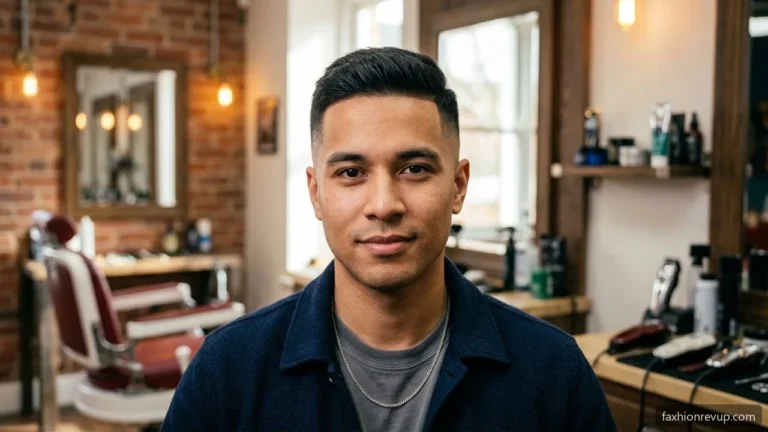
Fade Haircuts For Black Men: 2026 Styles That Stay Sharp All Day

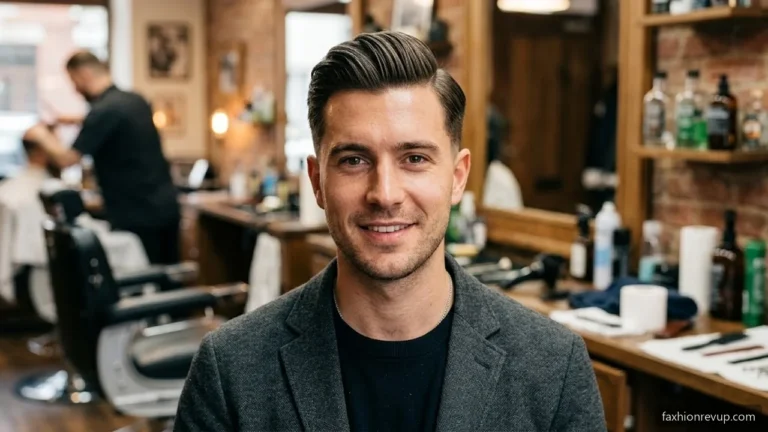
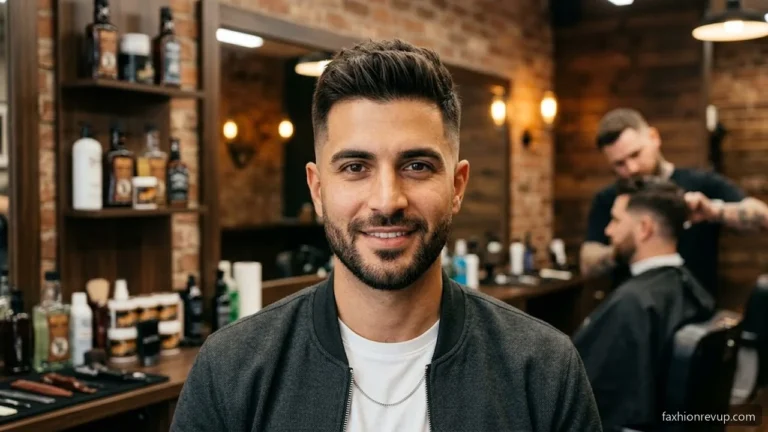
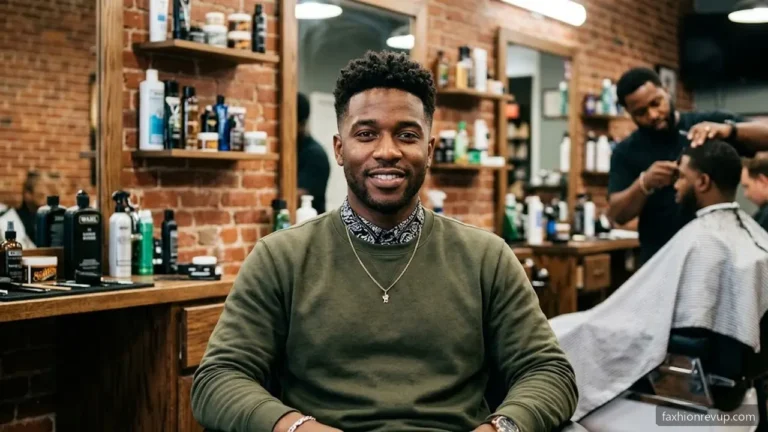
Fade Haircuts For Black Men fade the sides and back to skin while keeping real length on top. The best versions pair a tight blend with a top you can actually style. Coily and curly textures hold that contrast better than straight hair does. A sharp lineup finishes the cut and frames your face shape.
Most barbers start the blend with a #1 or #0.5 guard and work down to skin. If your hair is 4C, that tight finish needs a touch-up every two to three weeks. Round faces want height on top, while oblong faces should keep some side weight. Book with a barber who cuts Black hair daily, and bring two clear photos.
Quick Answer
Fade Haircuts For Black Men blend short sides into longer hair on top, and they suit almost every texture. Ask for a #1 guard at the bottom, with two inches left on top. Low and mid versions suit office settings, while high fades make a bolder statement. Plan on a visit every two to four weeks to keep the blend sharp.
Why Does the Fade Work So Well with Black Hair?
Coily hair grows outward and upward before it grows down, so it hides shape well. A fade removes that bulk at the sides and shows the head’s natural silhouette. Barbers cut coils while wet or blown out to keep the lines even. That control is harder to get with a single length all over.
Dense textures pack more hairs into every square inch, which reads as solid color. Barbers use that density to stretch a blend across a longer distance. The result looks smooth because there is no gap in the surface. Fine or thinning hair shows fewer clipper marks, so it needs a gentler blend.
Shrinkage is the real reason a fade pays off on type 4 hair. Three inches of coil can look like one inch once it dries fully. Fading the sides removes the guesswork and locks the shape in place. You keep the length on top without fighting the shrinkage underneath.
Contrast does the heavy lifting, and contrast is what a fade sells. Short sides make the top look taller and the jaw look sharper. A high fade pushes that contrast up, and a low fade keeps it quiet. You can dial the same cut up or down without changing the top.
Upkeep is the trade-off, because a tight blend loses its edge fast. Coily hair grows about half an inch a month, same as any other texture. After two weeks the sides start to round off and the lineup softens. Booking ahead keeps the cut looking intentional instead of overgrown.
Best Fade Haircuts For Black Men: Styles Worth Asking For
Every cut below keeps the same idea but moves the blend height and the top length. Choose by how much upkeep you can live with between appointments. Your face shape decides whether height on top helps or hurts you. Hair type decides which guard actually blends cleanly on your head.
Shadow Fade
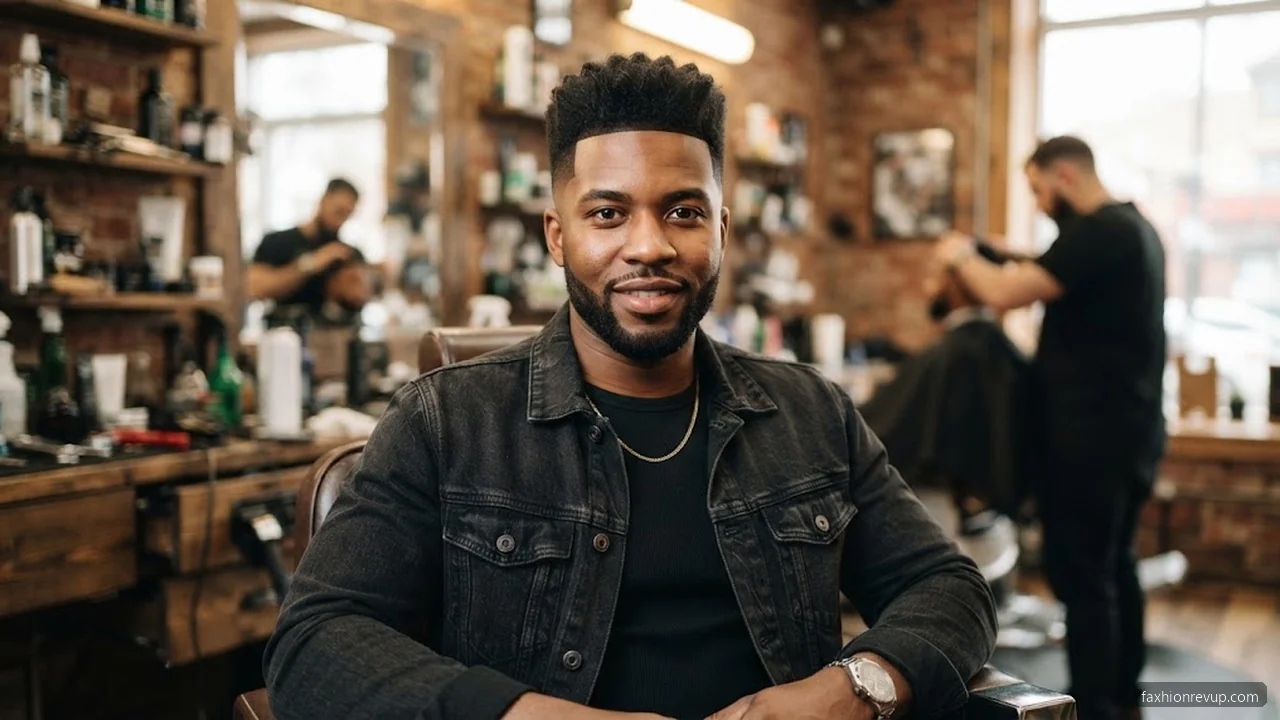
A shadow fade leaves a soft, dark veil of hair over the skin at the sides. The barber blends down to a #0.5 or #0 guard, then stops just short of skin. From the back it reads as a smooth gradient rather than a hard line. It sits between a taper and a true skin fade in tightness.
The shadow fade suits oblong and square faces because it keeps weight at the sides. Straight, wavy and coily hair all take this blend well. Ask for a #2 on top if you want a short, low-effort crop. A dime-sized amount of matte clay through damp hair gives texture without shine.
Expect a touch-up every three weeks, since the shadow line fades first. Between visits, edge control gel tidies the hairline in under a minute. Skip this cut if you want visible skin at the sides, because it stays soft. Barbers sometimes call it a shadow taper when the blend stays near the nape.
Flat Top Fade
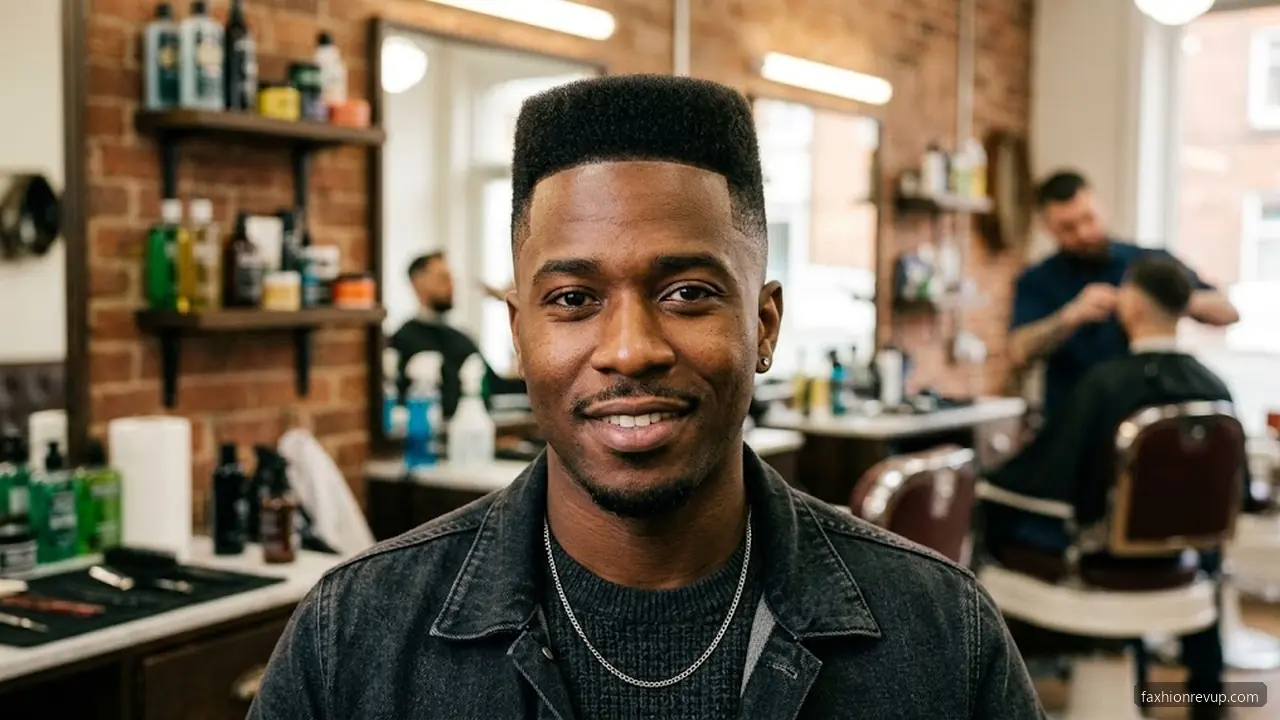
A flat top fade builds a square, level top and fades the sides tight underneath. The barber cuts the top flat, then squares the corners at the front hairline. From the side the silhouette looks like a box with sharp right angles. Height runs one to two inches, cut with clippers over a comb.
Type 4 hair holds this shape best because coils stand up on their own. Oval and round faces carry the height well, while oblong faces should skip it. Ask for a #1 guard at the sides fading down to skin at the temple. A pea-sized amount of firm pomade presses the top flat and adds shine.
The top grows out of square within two weeks and needs a re-flatten. Book a full re-cut every three to four weeks to keep the corners crisp. Sleep with a soft durag if you want the top to stay flat overnight. Straight hair can hold a flat top, but it needs more pomade and more heat.
Low Fade
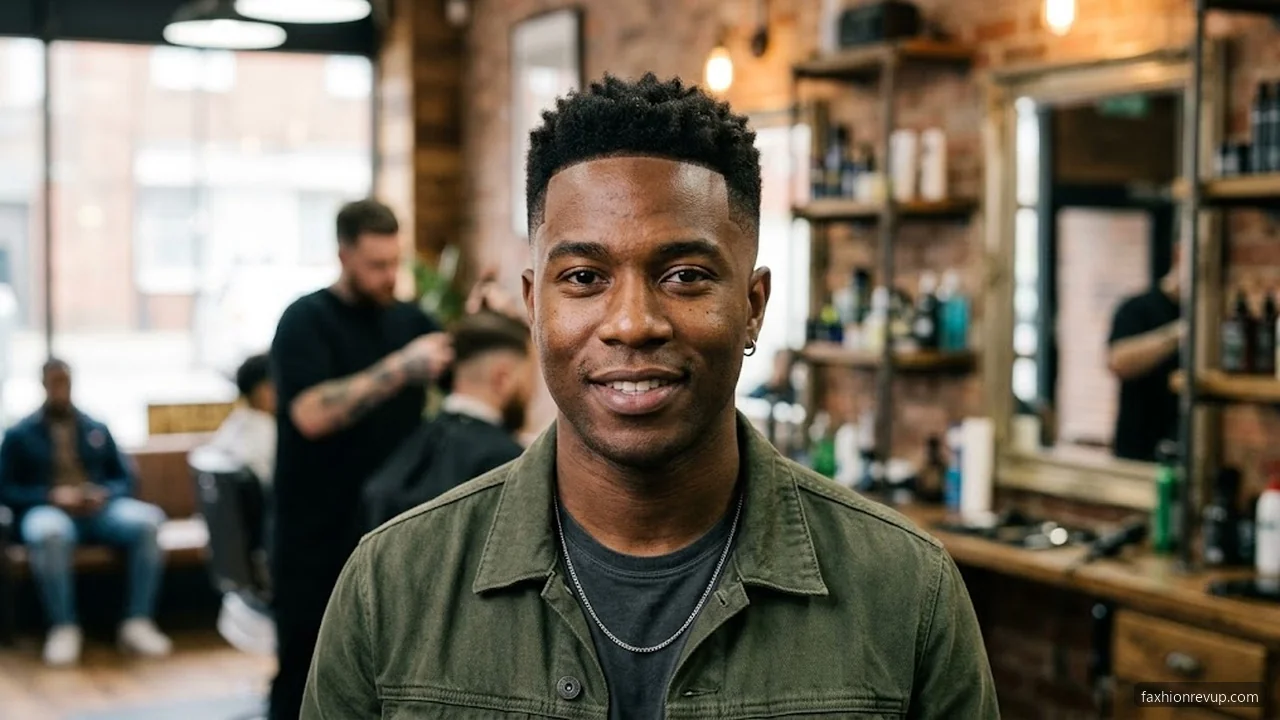
A low fade starts just above the ear and the neckline, so the blend stays short. The barber works from a #0 at the bottom up to a #1.5 or #2 near the temple. Most of the sides keep real length, which makes the cut look fuller. From the front you see a clean lineup and plenty of hair around it.
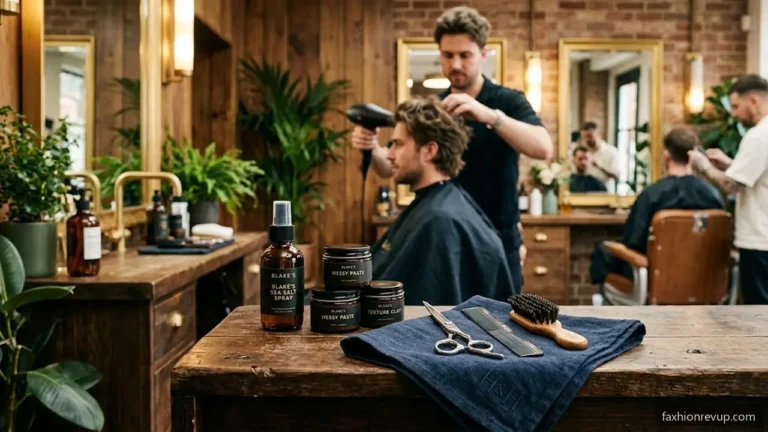
Oval, oblong and heart-shaped faces get the most from this low height. Top length runs two to three inches and is cut with scissors, never a guard. Sea salt spray adds grit and volume without weighing the hair down. Four or five sprays into damp roots, then scrunch and let it air dry.
A low fade keeps its shape for three to four weeks, longer than a skin fade. The first thing to grow out is the patch right above your ear. Ask for a neckline tidy between visits if the back bothers you. Skip it if you want dramatic contrast, and pick a high fade instead.
Low Fade with Waves
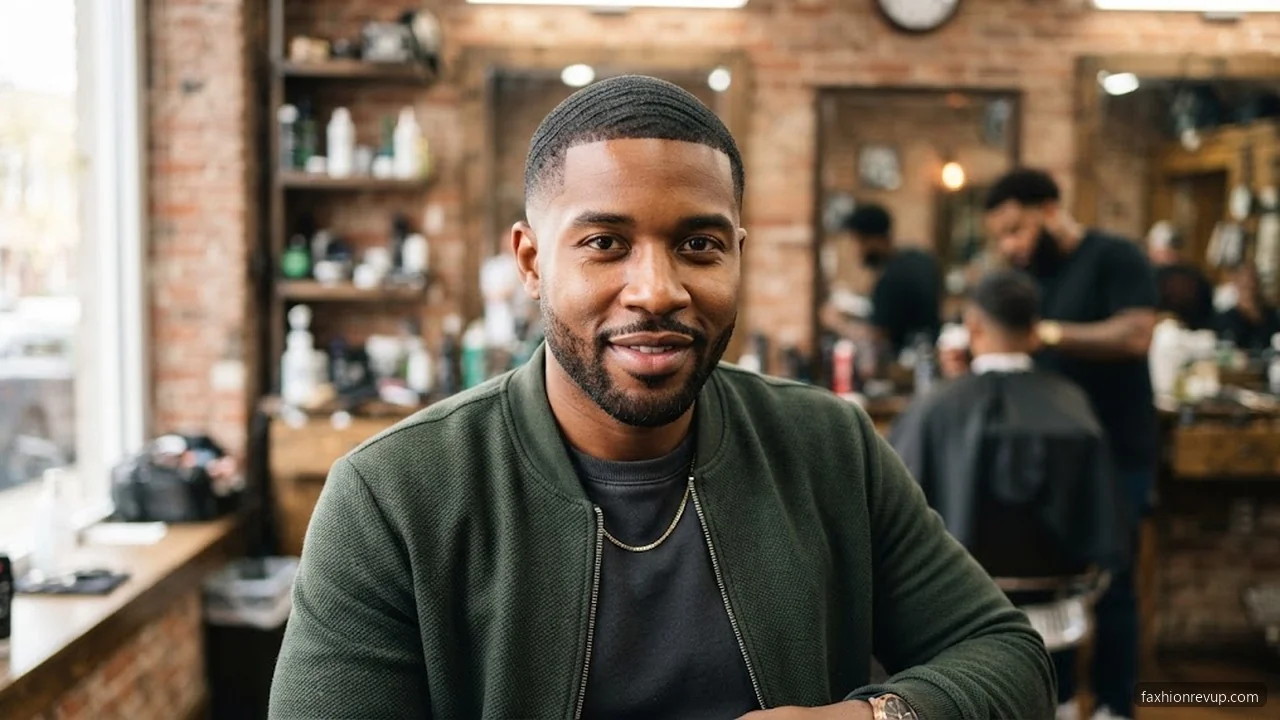
Waves need length to lie down, so this cut keeps the top at two inches or more. The low fade clears the sides but leaves enough hair for the wave pattern. From the back the crown shows deep, rippling lines in the light. The blend sits just above the ear and never climbs past the temple.
Type 2A to 2C hair with a natural wave pattern suits this look best. Oval and square faces carry the rounded crown without extra width. Brush the hair in a spiral from the crown forward every night. A light hold pomade or wave cream keeps the pattern locked in place.
Waves need daily brushing, so budget ten minutes each morning and night. Book a fade touch-up every three weeks, since the sides flatten quickly. Wear a durag at night so the pattern survives until morning. A full re-cut every four to six weeks keeps the top shape honest.
Low Taper Fade
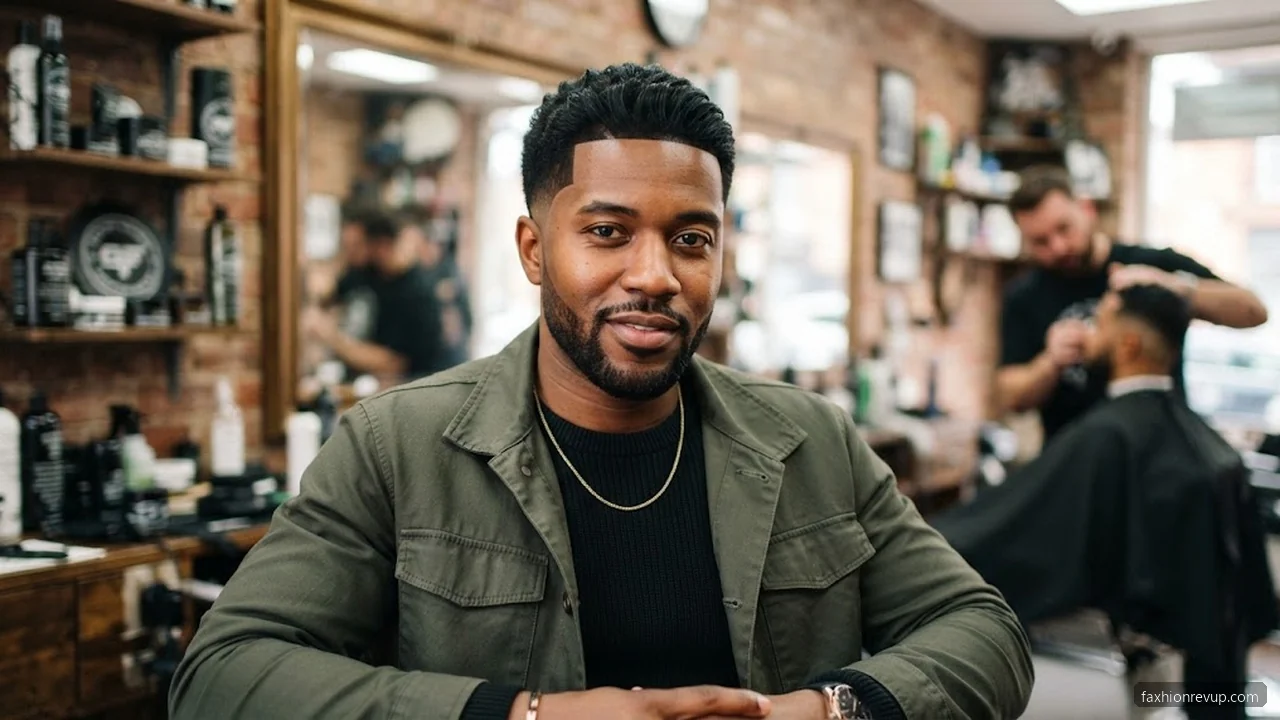
A low taper fade only shortens the sideburns and the nape, nothing higher. The sides keep most of their length, so the cut looks natural and grown-in. From the front you mostly notice a clean hairline rather than a blend. Barbers use a #1 or #1.5 at the sideburn and taper it down softly.
This is the go-to for men who want a tidy edge without a visible fade. It suits every face shape, including round and triangle faces. Professionals in conservative offices pick it because it never looks loud. Type 4C hair holds a taper well, since the sides stay full and rounded.
Upkeep is light, with three to four weeks between visits as the norm. Ask your barber to keep the neckline natural instead of squared off. Edge control gel tidies the hairline between visits, and a soft brush helps. A full re-cut every four to five weeks keeps the shape neat.
Low Temp Fade
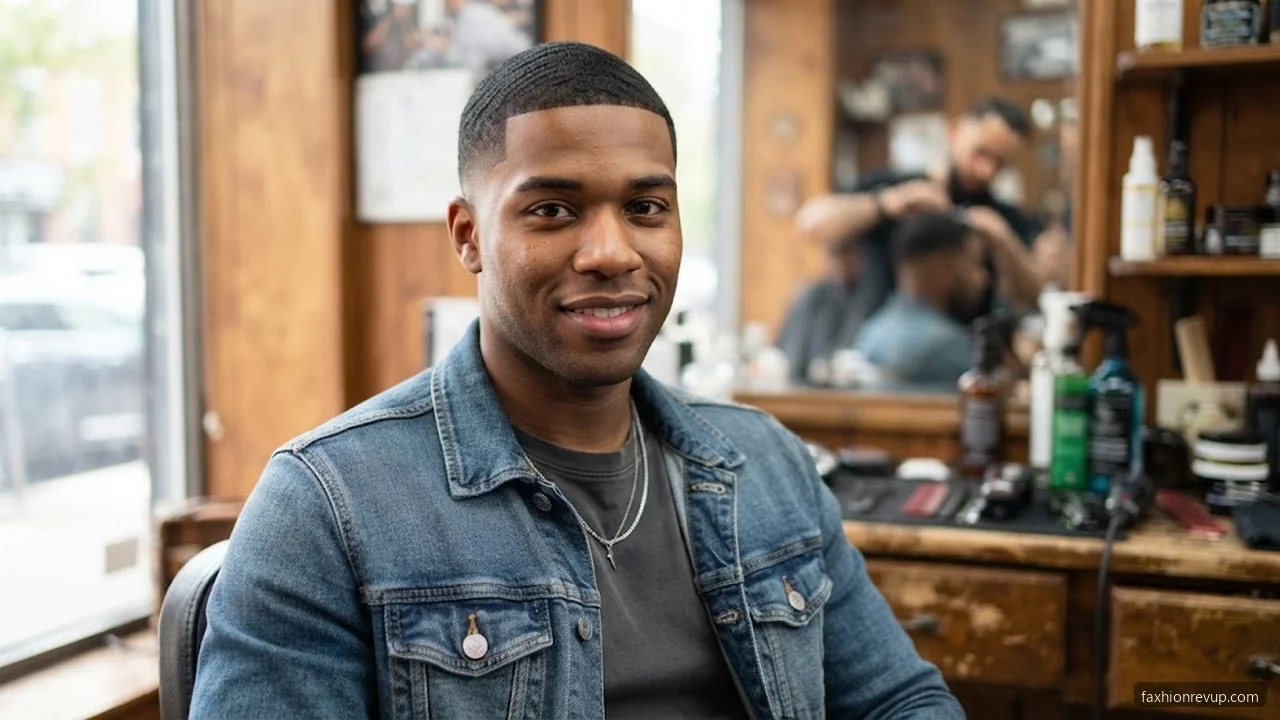
A low temp fade is a low fade cut around the temples, not the whole side. The barber clears the hair at each temple and leaves the rest of the side long. From the front it opens up the forehead and squares the corners slightly. The back usually stays untouched or gets a light nape taper.
Receding hairlines get a cleaner look, because the temple corners are cleared. It suits oval, diamond and heart faces that want width at the forehead. Type 4 hair works well here, and so does a loose 3A wave. Ask for a #0.5 at the temple blended up into the existing length.
Growth shows along the temple edge, so expect a tidy-up every two to three weeks. Unlike a full low fade, this cut never touches the area behind your ear. Pair it with a sponge curl top if you want a rounded, even finish. Skip it if your hairline is uneven, since the corners will show that.
Mid Fade
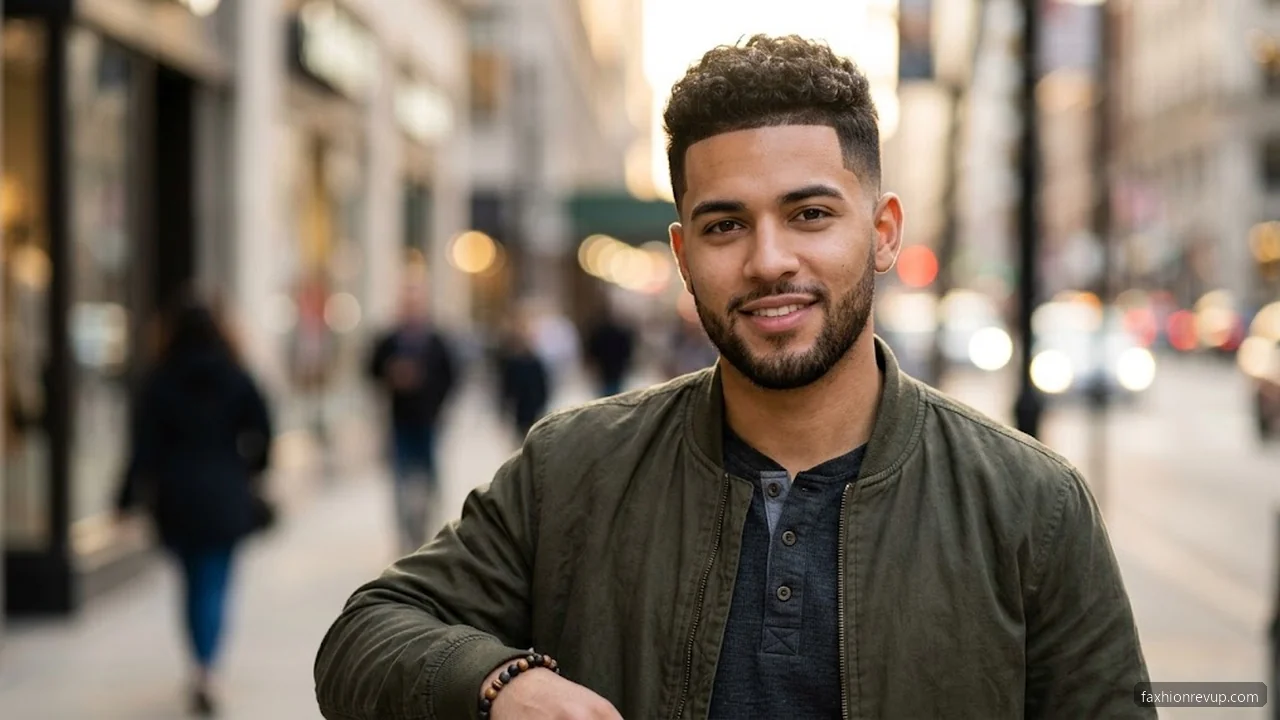
A mid fade starts at the temple line, which sits higher than a low fade. The blend runs from skin or a #0 up to a #2 around the parietal ridge. From the side you see a clear diagonal line moving up and back. The top keeps enough length to style forward, back or to the side.
Most face shapes handle a mid fade, and round faces gain real height from it. Type 4C coils blend cleanly here because the barber has room to stretch the gradient. Ask for three inches on top if you want a style you can push around. Matte paste through damp hair gives a dry finish with light hold.
Touch-ups land every two to three weeks, since the temple line fades fast. A hard part on one side adds definition and hides an uneven hairline. Between cuts, a brush and a little edge control keep the front sharp. This height is the middle ground between subtle and bold.
Mid Fade with Curls
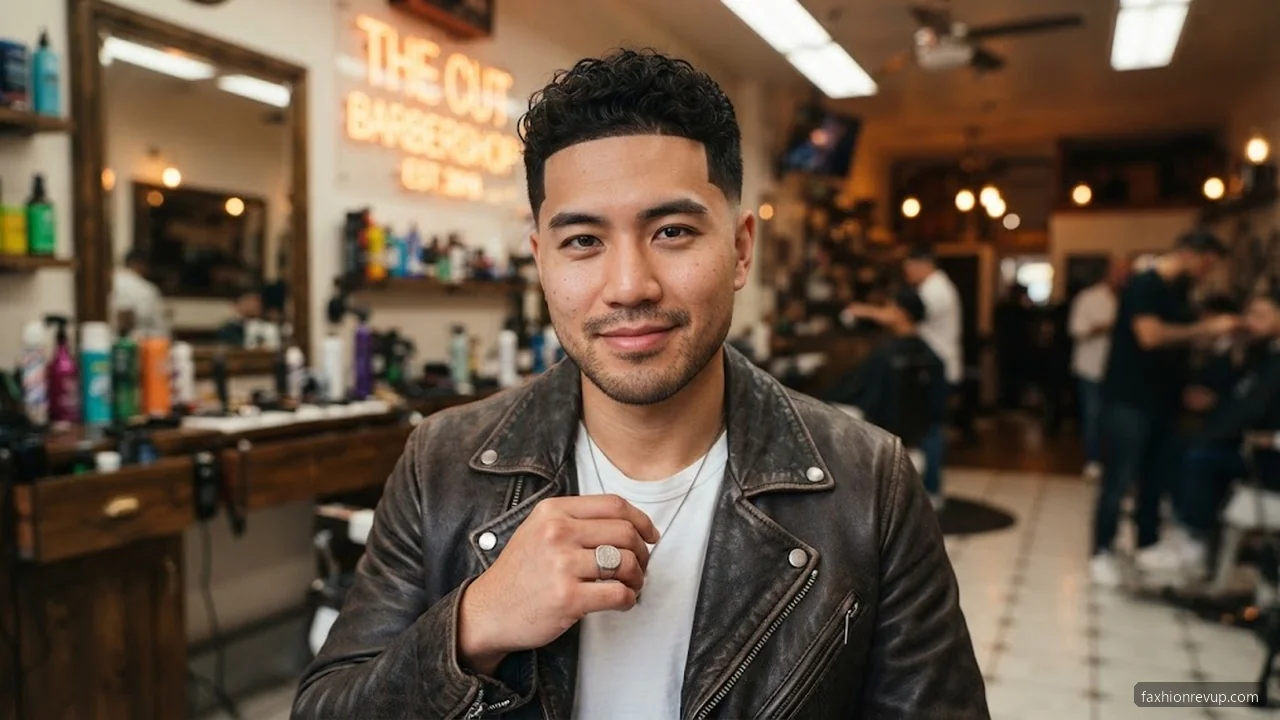
Curls need moisture, so this cut pairs a mid fade with a hydrated top. Length runs two to four inches, based on how tight your pattern is. 3A to 3C curls form soft rings, while 4A coils stay tighter. The fade starts at the temple and blends to a #1 at the bottom.
Round and heart faces suit this cut, since the top keeps a soft frame. A curl cream on soaking-wet hair defines rings and stops frizz. Use a dime-sized amount, then let the hair air dry without touching it. Book a fade touch-up every three weeks and a trim every six.
Mid Fade with Beard
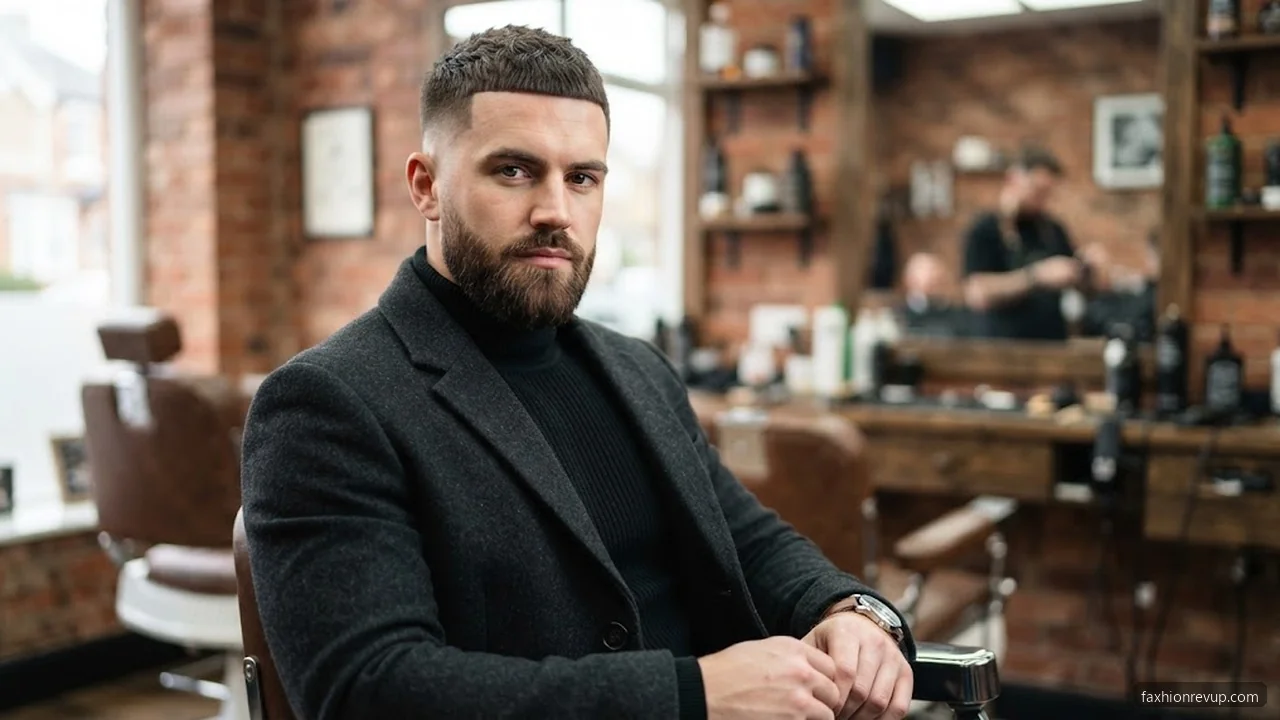
Pairing a mid fade with a beard connects the sideburn into the jawline. The barber fades from a #0.5 at the sideburn up to a #2 at the temple. The beard gets squared at the neck and tapered toward the ear. Top length of two to three inches keeps the balance between face and hair.
Square and oblong faces look best, because the beard adds width at the jaw. Round faces should keep the beard short on the sides to avoid extra width. Beard oil after a wash softens the hair and stops the skin underneath flaking. Trim the beard every two weeks and the fade every three.
Medium Fade Textured Crop

A medium fade sits between mid and high, starting near the top of the temple. The crop on top is cut to about one and a half inches with texture throughout. The barber points the scissors into the ends to break up the weight. A fringe forward keeps the front soft rather than blunt.
Oblong and heart faces gain from the forward fringe that softens the forehead. Type 4B and 4C hair takes texture well, and 2B waves dry into soft movement. Work a pea-sized amount of matte clay through dry hair from back to front. Book every three weeks for the fade and every six for the top.
High Fade
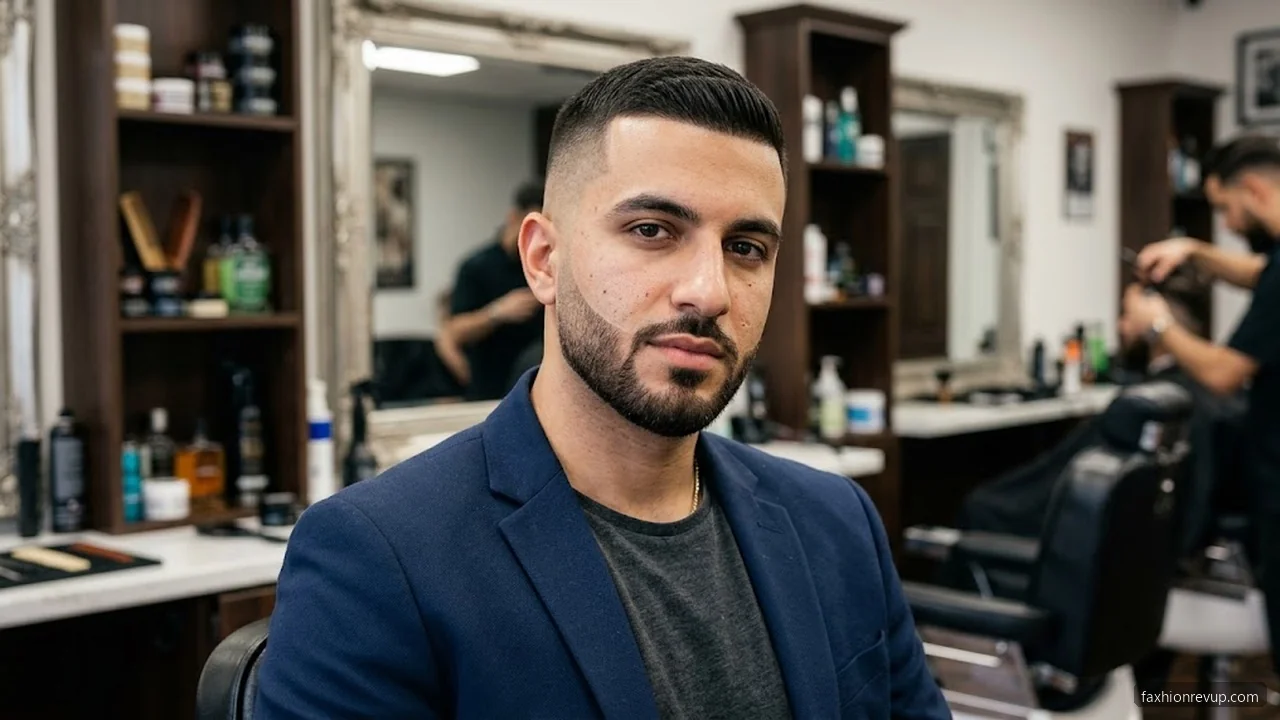
A high fade starts at or above the temple, close to the parietal ridge. The blend drops from skin at the bottom to a #2 just under that ridge. From the back the line sits high and curves slightly toward the crown. Top length of two inches gives you something to style against the tight sides.
Square and oval faces wear the height well, but oblong faces should skip it. Dense 4C hair shows the sharpest contrast with this height. Ask for a skin fade on the sides if you want the boldest version. Pomade or clay on top, and a lineup every two weeks, keeps it sharp.
High Skin Fade with Waves
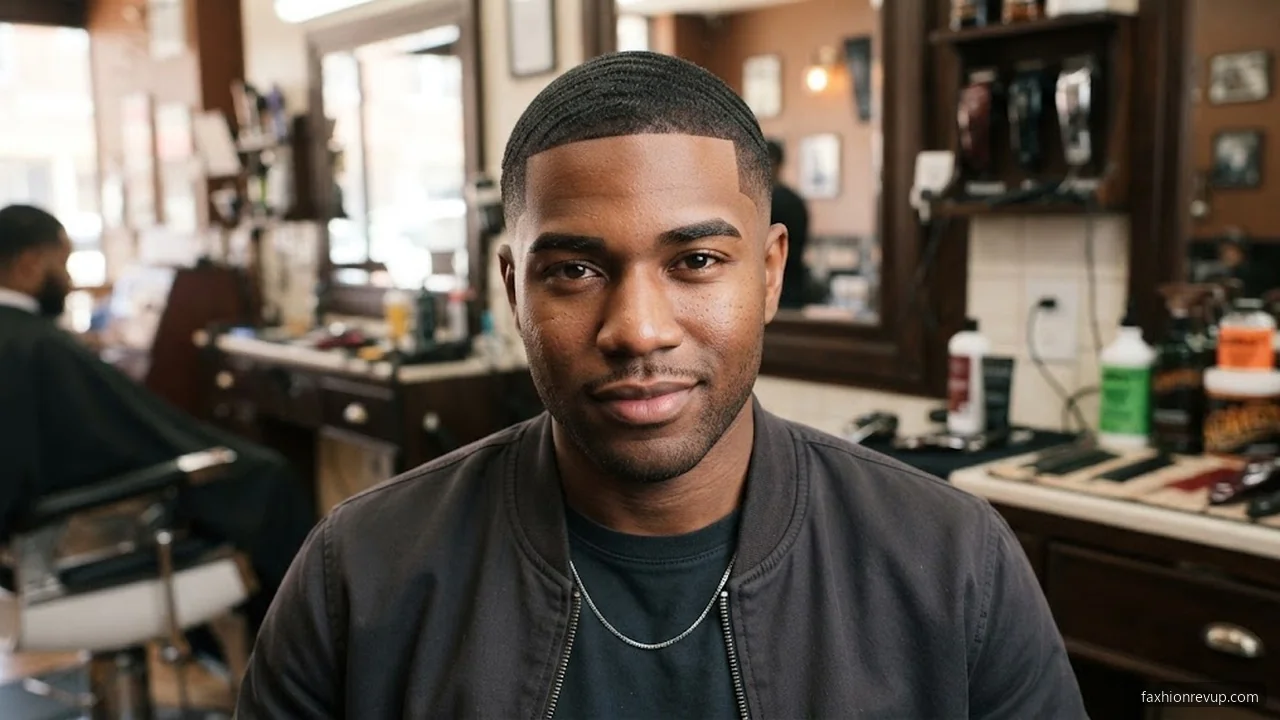
Skin at the sides and 360 waves on top make this one of the boldest looks. The barber takes the sides to a #0 or foil shaver, then blends up two inches. The top stays long enough for the wave pattern to show deep ridges. Contrast between bare skin and brushed waves is the whole point here.
Waves need type 2A to 2C hair with a natural bend and daily brushing. Square and oval faces suit the sharp sides, while round faces should go higher. Brush from the crown forward for ten minutes each morning and night. A durag plus wave cream protects the pattern while you sleep.
High Fade Afro
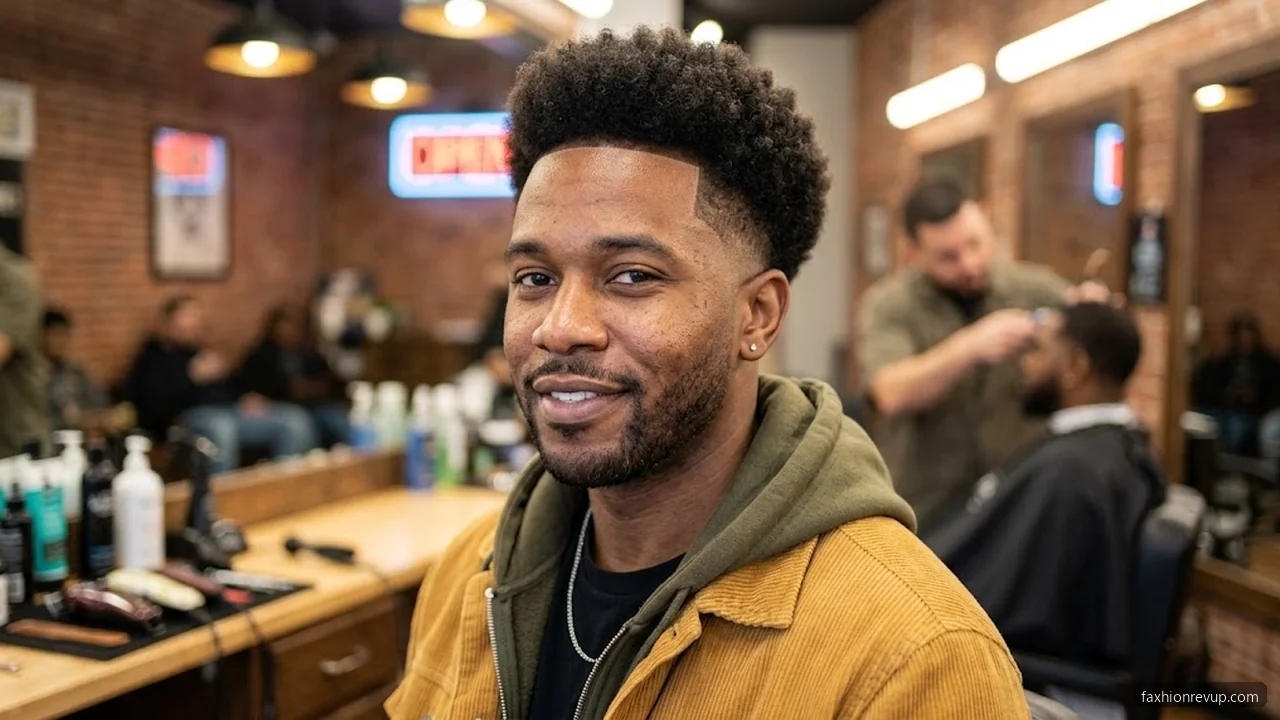
A high fade afro pairs a rounded, natural top with sides cut close to skin. The afro on top runs two to four inches and keeps its round silhouette. The fade starts above the temple and drops to a #0 at the ear. Unlike a high top, the top here curves rather than sitting square.
3C to 4C hair works best, since the coils hold a round shape naturally. Oval and diamond faces suit it, because the round top adds fullness up high. A curl cream plus a light oil keeps the top soft and moisturized. Book a fade every two weeks and a shape trim every four to six.
High Fade with Design

Etched lines cut into the faded sides turn a plain cut into a personal signature. Your barber draws the pattern with a trimmer once the blend is finished. Most designs sit above the ear or run along the temple edge. The top stays short, usually about an inch, so the artwork gets the attention.
Square and diamond faces suit a design best, because the etched lines draw the eye outward. A #0 at the bottom blends into a #1 near the ridge for a clean canvas. Bring a photo of the pattern, since freehand shapes vary from barber to barber. Book every two weeks, because the design dulls as the sides grow.
Skin Fade

Going all the way to skin with a foil shaver makes the tightest version of this cut. The bald base rises one to two inches before the blend starts working upward. From the back, the transition looks like a shadow moving into hair. A top of an inch and a half keeps the whole shape balanced.
Oval faces gain width at the jaw from the bare sides. Dense 4C hair shows the cleanest contrast against shaved skin. Work a pea-sized amount of matte clay through the top for a dry finish. Expect a touch-up every two to three weeks before the bald line softens.
Burst Fade
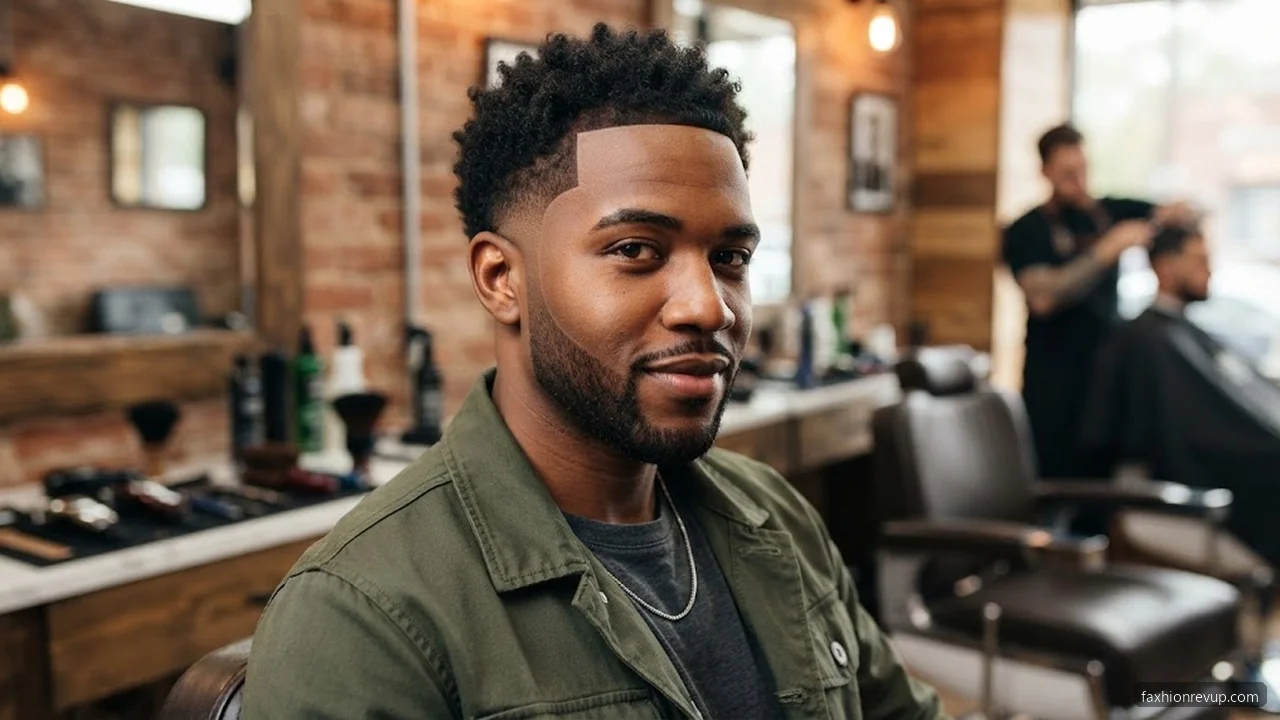
A burst fade arcs around the ear and leaves the back longer than the sides. Your barber scoops the blend in a curve, so the hair behind the ear keeps weight. The front and temple blend to a #0.5 at the bottom edge. This shape suits a mohawk, a curly top, or hair you wear pushed back.
Round and heart faces benefit, because the tight ears slim the widest part of the head. Type 3B to 3C curls handle the soft curve without losing their shape. A dime-sized amount of curl cream defines the top while it dries. Touch-ups land every three weeks, since the curve blurs as the back grows.
Burst Fade Mohawk

A strip of hair runs from the forehead to the crown while the sides burst around the ears. The back stays longer than a standard burst fade, which separates this cut from its cousin. Two to three inches in the center gives the strip real presence. The barber arcs the blend around each ear and tapers the nape below.
Oval and diamond faces wear the narrow strip without adding width. Type 4A coils stand up in the center and hold the hawk shape on their own. Sea salt spray at the roots lifts the strip, and clay pinches the ends into points. Re-cut every two to three weeks to keep the strip edges sharp.
Drop Fade
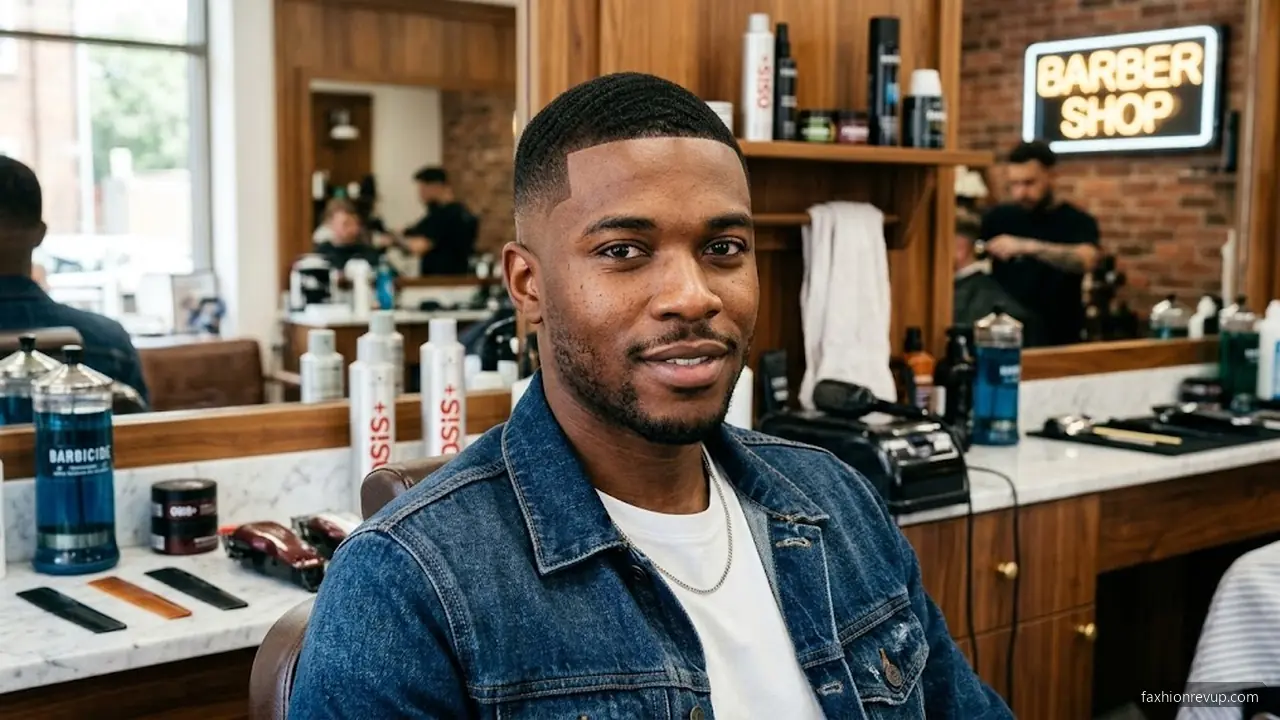
The blend curves down behind the ear instead of running straight across the back. That drop shape leaves more hair at the nape than a standard fade does. Your barber keeps the back fuller and pulls the tightest point to the sideburn. From the side, the line looks like a shallow letter C.
Square and heart faces suit the extra weight at the back of the neck. Type 4C coils work well here, since the nape keeps enough length to lie flat. A small amount of curl cream keeps the top defined without any crunch. Book every three weeks, because the curve is the first thing to blur.
Drop Fade with Waves

Waves on top with a drop fade behind the ear blend two strong patterns at once. The crown keeps about two inches, enough for the wave ridges to form. The barber curves the blend down behind the ear and leaves the nape fuller. Contrast between the rippled top and the smooth side carries the cut.
Round and oblong faces gain from the fuller nape that balances a longer head. Type 3C and 4A hair with a natural bend takes the wave pattern fastest. Brush from the crown forward twice a day to train the ridges. Wave cream plus a durag at night protects the pattern between cuts.
Temp Fade
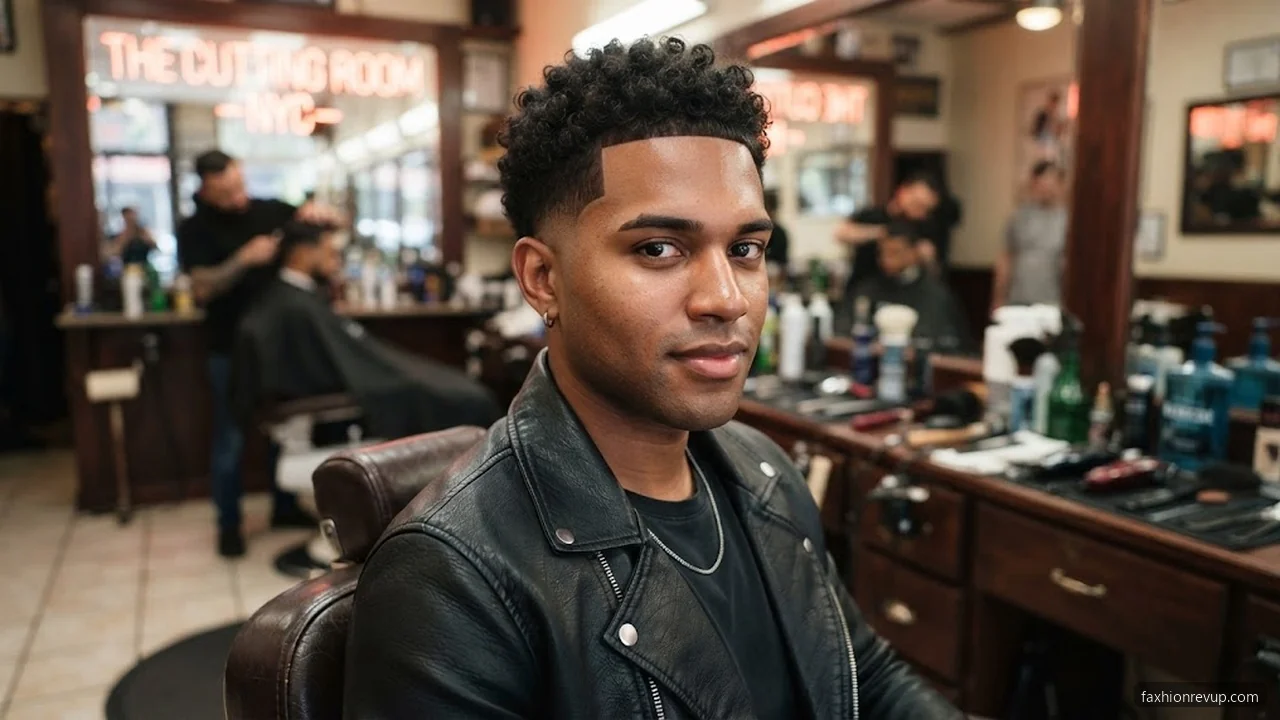
A temp fade clears the hair at both temples and leaves everything else alone. It runs higher into the corner than a low temp fade and pairs well with a side part. Your barber uses a #1 at the temple and blends upward into the length. The hairline in the center stays natural and untouched.
Heart and triangle faces gain a wider look at the forehead from cleared corners. Fine hair shows the temple blend less, which keeps the cut looking soft. A dab of pomade sweeps the longer top to one side. Come back every two to three weeks, since the corners show growth first.
Fade with a Lineup

A lineup sharpens the front hairline with a straight edge across the forehead. Paired with a fade, it frames the face and makes the whole cut look deliberate. The barber cuts the line with a trimmer, then cleans the corners with a razor. A #0.5 on the sides keeps the blend tight beneath the edge.
Triangle and round faces look sharper, because a straight line adds structure up top. Coily 4C hairlines benefit most, since the edge grows back quickly and softly. Edge control gel keeps the line crisp for a few extra days between visits. Ask for the lineup refresh every one to two weeks and a full fade every three.
Waves Fade
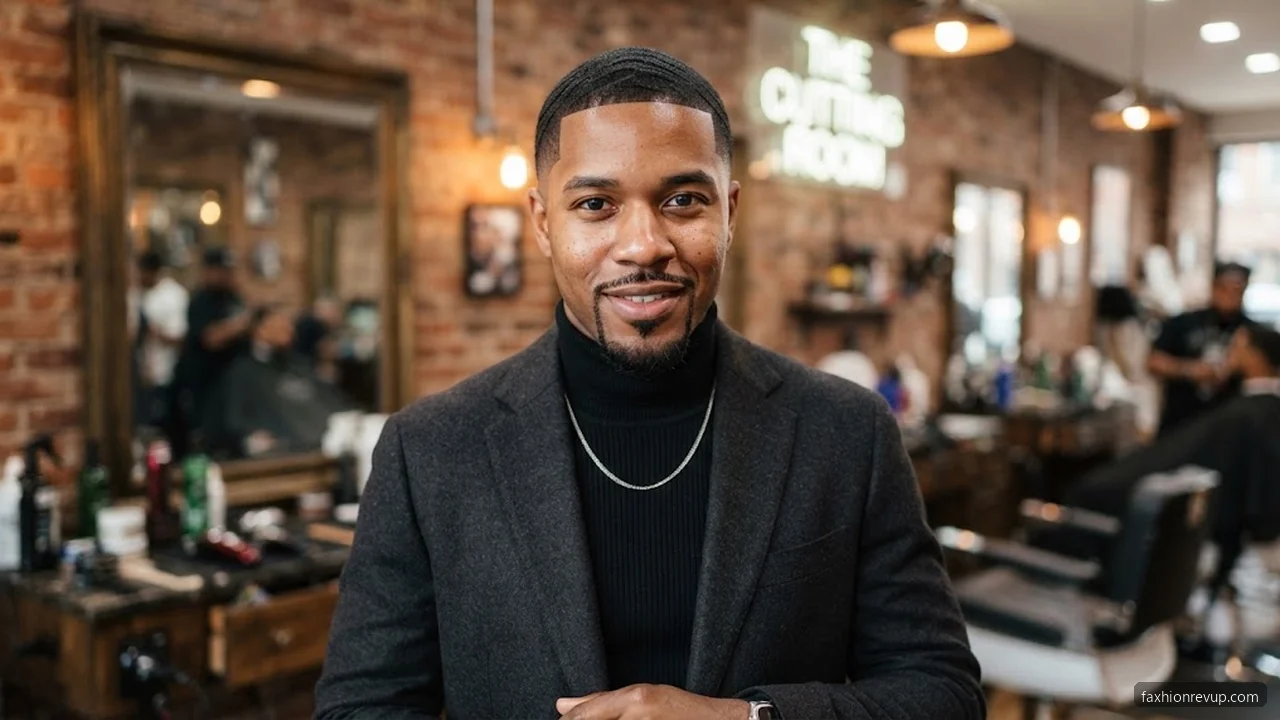
A waves fade keeps a brushed, rippled top while the sides blend down tight. The barber sets the fade anywhere from low to mid, based on your face. Top length runs about two and a half inches for deep, connected ridges. Brushing direction matters more than the fade height for the final look.
Round and oblong faces suit this cut, because the top stays full without extra side bulk. Type 3C to 4A hair trains into waves fastest with daily brushing. A light wave pomade holds the pattern without leaving the hair greasy. Book a fade touch-up every three weeks and a top trim every five to six.
Afro Fade

A rounded afro on top with a fade below gives you a soft silhouette and clean edges. Top length runs three to four inches, shaped into a round dome. The fade usually sits low or mid, so the afro keeps most of its mass. Your barber picks the sides clean but leaves the crown full and even.
Triangle faces gain from the volume up top, which balances a wider jaw. Type 4B and 4C coils hold the round shape without much help from products. A leave-in conditioner keeps the afro soft, and a pick lifts the roots daily. Fade touch-ups land every three weeks, with a shape trim every four to six.
Dreadlock Fade

A fade under your locs keeps the sides bare and lets the locks fall free. The barber tapers the sides and back to a #1 while leaving each loc untouched. From the front, the clean sides make the locks look fuller and longer. This cut works with short locs, long locs and everything between.
Square and round faces suit the bare sides, since the locks add height above. Thick 4C hair locks well and holds a tight fade underneath. Loc oil on the scalp keeps the shaved area from drying out between visits. Retwist every four to six weeks and refresh the fade every three.
Braided Fade
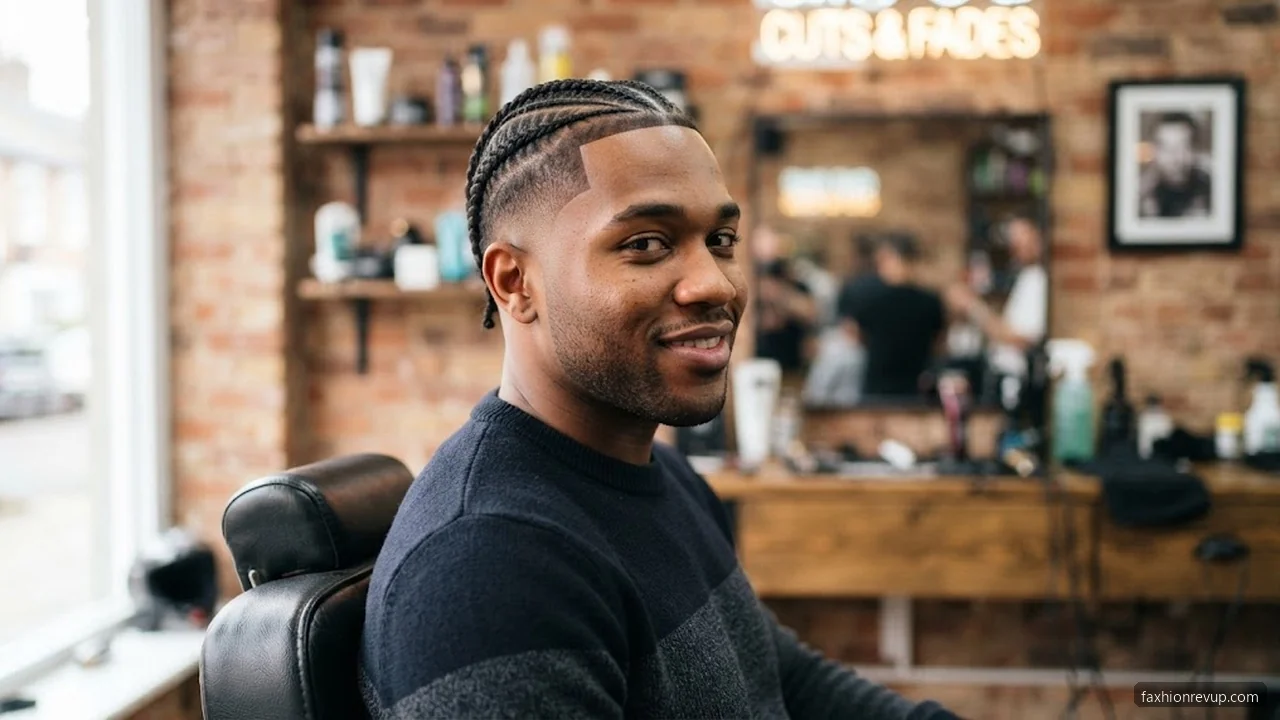
Cornrows or braids on top with faded sides show off the pattern from every angle. The barber braids the top first, then fades the sides to a #1.5. Straight-back rows look cleanest, but a curved pattern adds movement. The braids need at least two inches of hair to grip and stay neat.
Heart and diamond faces gain from the neat rows that narrow the forehead line. Type 4A to 4C hair braids with the best grip and the least slipping. Braid sheen spray keeps the scalp calm and the rows looking fresh. Re-braid every four weeks and book a fade touch-up every three.
Twist Fade
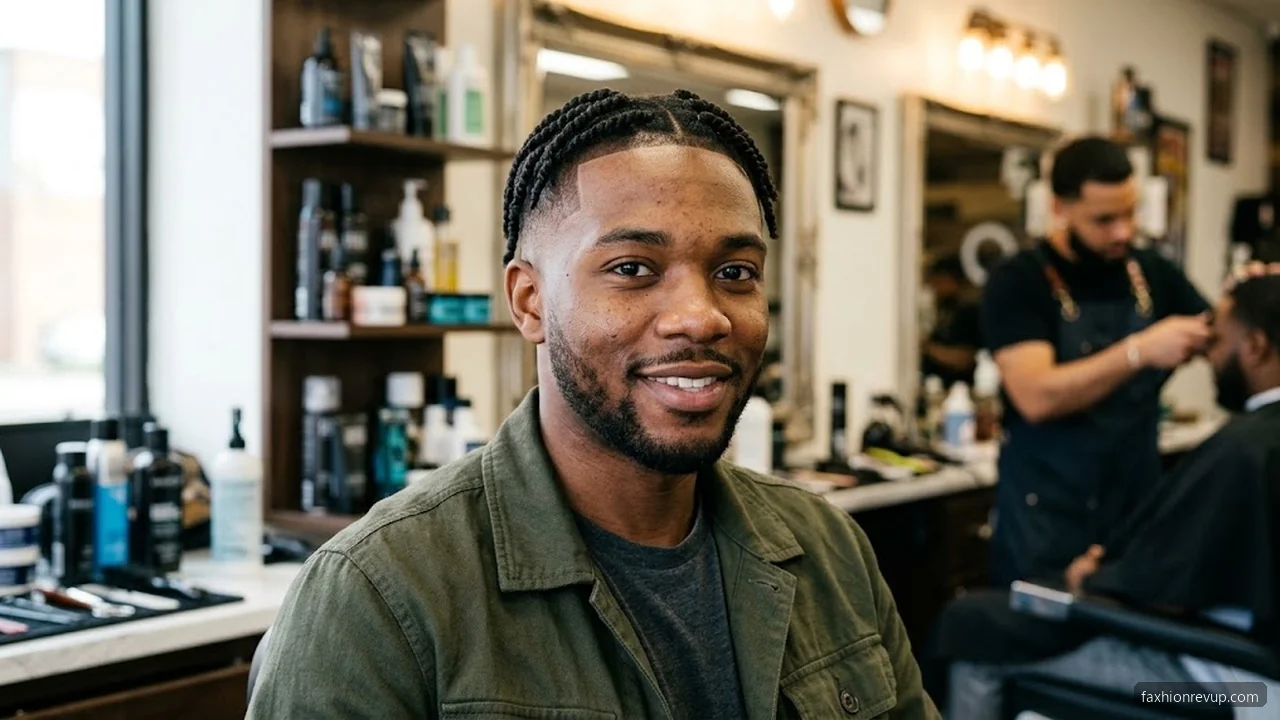
Two-strand twists on top with a fade at the sides give a textured, low-fuss finish. Each twist forms from two small sections rolled around each other. The barber fades the sides to a #0.5 and leaves the twists loose above. Twists read thicker than coils, so the top looks fuller than its real length.
Round and square faces wear twists well, since the texture softens strong angles. Type 4A and 4B hair twists easily, while 4C may need a little cream to grip. A twist cream defines each section and stops the ends from frizzing. Refresh the fade every three weeks and re-twist every four to five.
Sponge Curl Fade
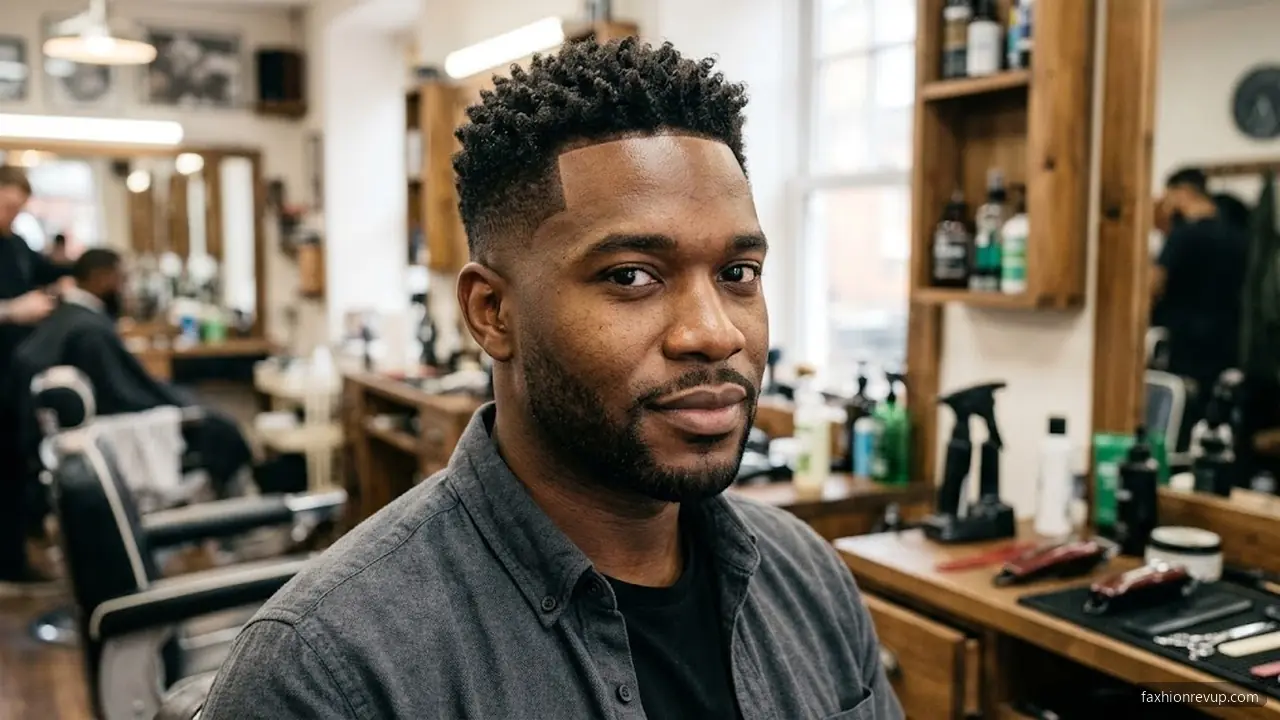
A sponge rubs the top into small, even curls while the sides fade tight. The tool is a soft, porous pad you circle over short hair in one direction. Top length runs about an inch and a half for the roundest curl pattern. Barbers usually set a mid fade so the curls sit clearly above the blend.
Oblong and triangle faces gain from the even top that adds width above the ears. Type 4A and 4B hair sponges best, since the coils separate without breaking. A dime-sized amount of curl cream keeps the curls springy all day. Book every three weeks to keep the fade and the curl shape tidy.
Hard Part Fade
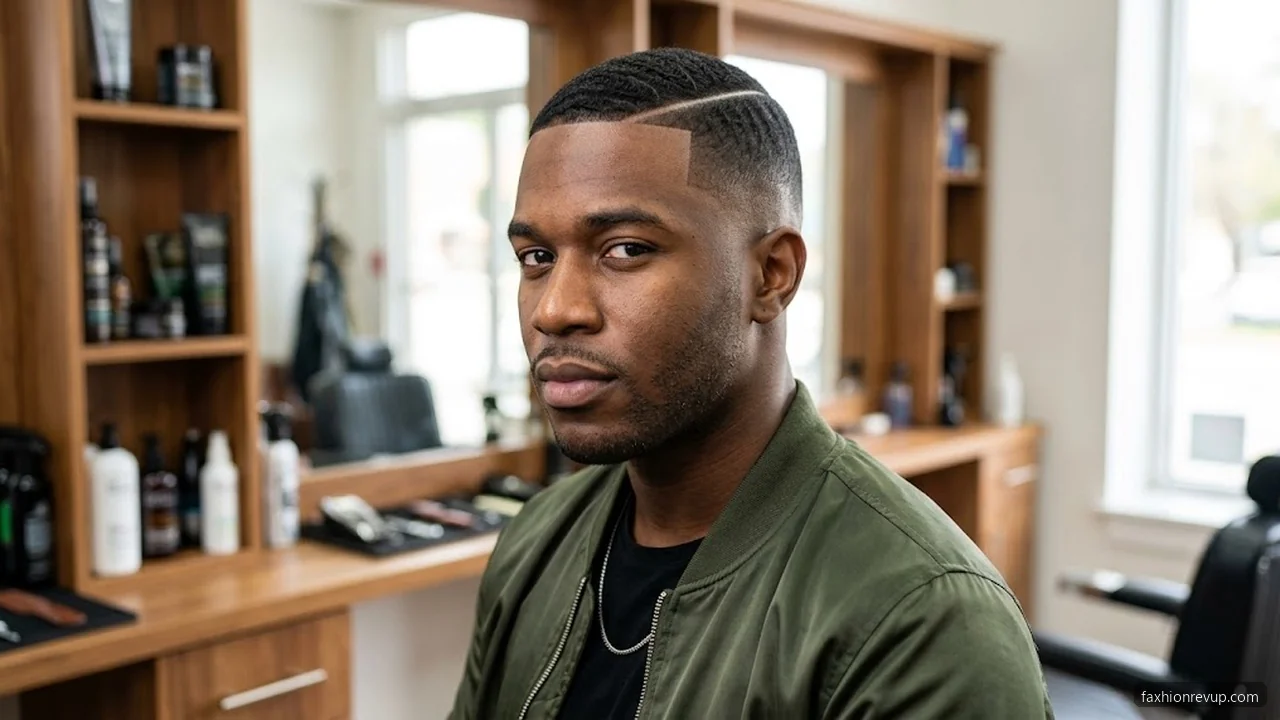
A hard part is a razored line that separates one side of the top from the other. With a fade below, the part adds a crisp edge that reads from across the room. The barber shaves the line with a straight razor, so it stays sharp for days. Most parts sit on the natural side your hair already falls toward.
Heart and square faces suit the diagonal line, which draws attention to the eyes. Straight and wavy hair takes the part cleanest, since the line stays put. A small amount of pomade sweeps the top over and holds the part open. Refresh the part every two to three weeks, and the fade at the same visit.
Frohawk Fade

A frohawk keeps an afro’s texture but shapes it into a raised center strip. The barber fades the sides high and narrows the top toward the crown. Two to three inches in the middle gives the hawk its lift and shape. From the front, the strip tapers from a wide forehead to a thin back edge.
Diamond and round faces gain height from the raised center without extra side width. Dense 4B and 4C coils stand up and hold the shape on their own. A firm gel sets the strip, and edge control tidies the front line. Re-cut every two weeks, since the tight sides grow out fast.
South of France Fade
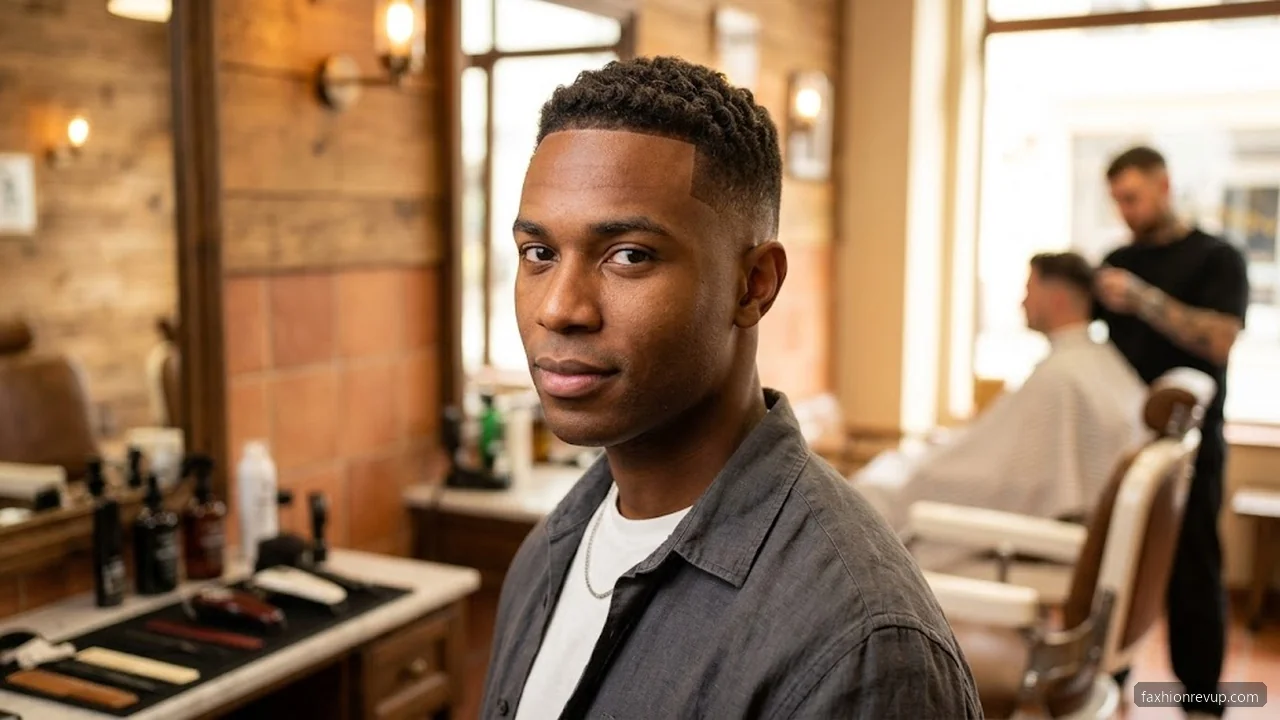
The South of France cut keeps a rounded top and tapers the sides and back close. Hair on top runs about two inches and gets brushed forward into a soft wave. The back rounds off at the nape instead of squaring, which keeps the shape classic. Sides blend to a #1 with no hard line anywhere.
Oval and triangle faces wear the rounded back and forward top well. Type 3A to 4A hair holds the brushed-forward shape with a little help. A small dab of pomade gives shine and keeps the front in place. Book every three to four weeks, since the taper grows out slower than a tight fade.
Buzz Cut Fade
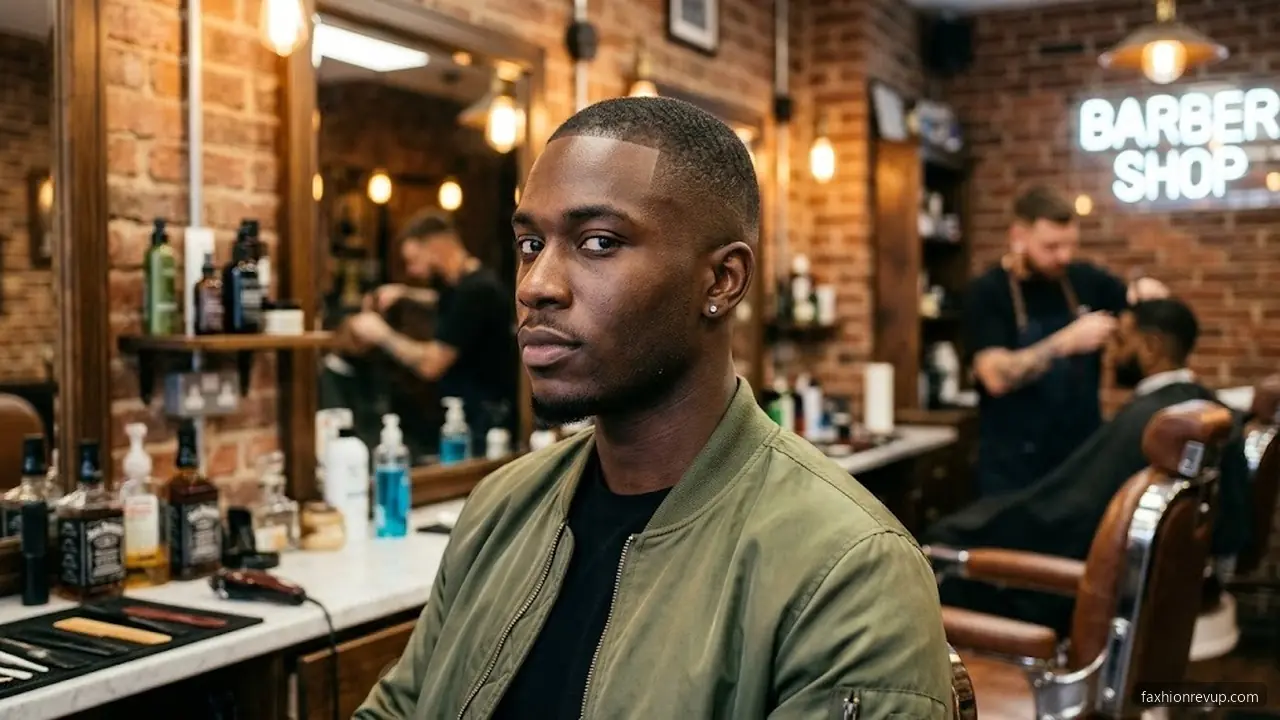
A buzz cut fade keeps the whole top at one short length and fades the sides lower. Most barbers use a #2 on top and a #0 at the sideburn. The cut takes about fifteen minutes and needs almost no styling afterward. It suits men who want a clean, low-effort look with no product.
Square and oval faces carry the uniform length without needing extra height. Light, fine hair hides the blend best, while dark, thick hair shows every clipper mark. A light moisturizer keeps the scalp from feeling dry after the shave. Return every two weeks, since a buzz fades faster than longer cuts.
Faux Hawk Fade
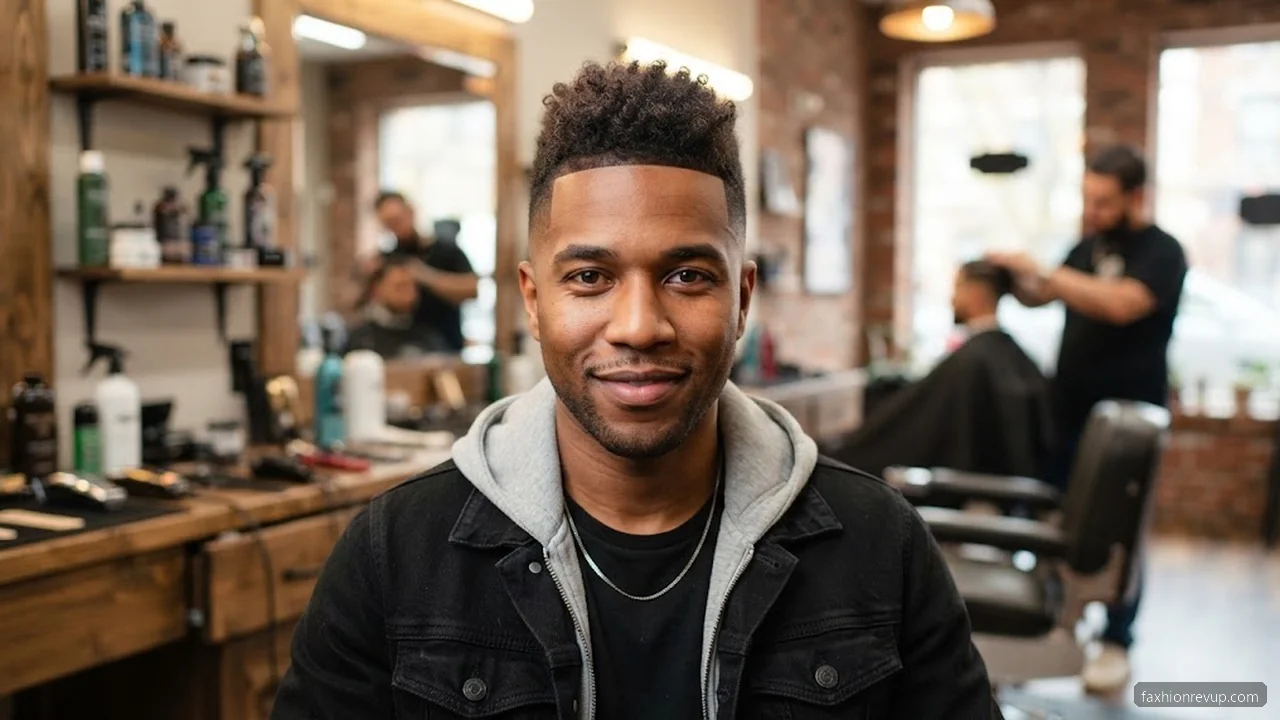
A faux hawk lifts the center of the hair without shaving the sides bare. The barber fades the sides to a #1 and leaves two inches down the middle. Styling pushes the center up and back into a soft peak. It reads sharper than a crop but stays softer than a full mohawk.
Round and oval faces gain height from the raised center that balances the cheeks. Type 3B to 4A hair holds the lift with a matte clay and a blow dry. Warm the clay between your palms, then pull the center up with your fingers. Book every two to three weeks to keep the sides tight.
High Fade with Kinky Top

Kinky coils left long on top with a high fade below make the contrast pop. The top runs two to three inches and stays in its natural 4C pattern. The fade starts at the temple and drops to skin along the sides. From the back, the tight blend and the loose top look like two different cuts.
Triangle and diamond faces gain from the volume above that balances a wide jaw. Type 4C hair needs a curl cream and a leave-in to stay soft up top. Finger coils or a sponge give the top a defined shape without heat. Book the fade every two to three weeks and trim the top every six.
What Happens to a Fade on Black Hair When It Dries?
Coily hair shrinks as it dries, so the top of your fade can lose length fast. What looked like three inches in the chair may sit at two by evening. The faded sides show the change least, because they are already short. That gap is why barbers cut type 4 hair slightly longer.
Wet clipper work can leave a blend line that only appears once the hair dries. Barbers often finish the fade with a dry pass to catch that line. On dark, thick hair those marks show more than on lighter textures. Ask your barber for a dry check before you leave the chair.
The lineup softens as the hairline dries and the coils pull back from the edge. A crisp line at the end of the cut can look slightly rounded an hour later. This is normal on 4C hair and no sign of a bad cut. Ask for the edge cut slightly sharper if you want it to hold.
- Low fade on 4C hair: the sides keep enough length. That shrinkage barely changes the silhouette once the coils dry out.
- Mid fade on 4C hair: the blend looks tighter after drying. So, ask your barber to leave a little extra at the temple line.
- High fade on 4C hair: the top dries into a tighter coil pattern. This sharpens the contrast against the shaved sides.
Which Fade Suits Your Hair Type?
Your curl pattern decides which fade height blends without looking patchy. Type 4C coils hide a tight blend better than fine waves do. Density matters too, because fine hair hides clipper marks and thick hair shows them. Match the fade to the pattern first, then to the shape of your face. See American Academy of Dermatology hair care guidelines for more.
| Hair Type / Texture | Best Fade | Guard Range | Why It Works |
|---|---|---|---|
| 2A-2C waves, fine | Low taper fade | #1 to #2 | Keeps side weight so fine hair never looks thin |
| 3A-3B curls | Mid fade | #0.5 to #2 | Leaves room for curls to sit above the blend |
| 3C curls | Burst fade | #0.5 at the ear, longer at the back | Arcs around the ear and keeps the back full |
| 4A coils | Drop fade | #0 to #1.5 | Curves behind the ear and holds weight at the nape |
| 4B coils | Mid fade with beard | #0.5 to #2 | Connects the sideburn straight into the jawline |
| 4C coils, thick | High skin fade | #0 to #2 | Dense hair hides clipper marks and holds sharp contrast |
| 4C coils, fine | Low fade | #1 to #2 | Less contrast means fewer visible blend lines |
Run your fingers through your hair before your appointment to judge the pattern. A barber who cuts Black hair daily will read your density in seconds. If your hair is fine and light, choose a lower fade with a softer blend. Light, fine hair can carry the tightest skin fade without showing marks.
How Do You Choose the Right Fade?
Four things decide which fade you should book at your next appointment. Your face shape sets the height, and your hair type sets the guard range. Your job and your workout routine decide how much upkeep you can handle. Weigh those four before you pick a style from a photo. See Healthline hair health and wellness resources for more.
| Factor | Recommended Fade | Why |
|---|---|---|
| Round face | High fade | Height on top slims full cheeks while tight sides cut width |
| Oblong face | Low fade | Keeps side weight so the face does not look longer |
| Diamond face | Low or mid fade | Keeps fullness at the temples where the face narrows |
| Active lifestyle | High skin fade | Holds shape through sweat and daily washes |
| Office job | Low taper fade | Reads clean and grows out without a hard line |
| First fade | Mid fade | Middle height blends easily on most coil patterns |
- Formal workplace: a low taper fade keeps the neckline tidy while. The sides stay long enough to look conservative in any office.
- Athletic or active: a high skin fade stays sharp through sweat and daily washes. So, plan on a touch-up every two weeks.
- 4C coily hair: a mid fade suits 4C coils best. Because the density hides the blend and the height keeps contrast visible.
- Fine or thinning hair: a low fade with a soft blend hides clipper marks that show on fine hair. Keeps more weight at the sides.
What Should You Tell Your Barber?
Bring one photo and one sentence, and most barbers will get it right. Tell them the fade height first, then the guard at the bottom, then the top length. Say whether you want the neckline squared or natural before they start. Mention any razor bump history, because that changes which blade they use.
- Low fade: “Low fade, #1 at the bottom blending to a #2, keep two inches on top.”
- Mid fade: “Mid fade starting at the temple, #0.5 at the bottom, three inches on top with texture.”
- High fade: “High fade to skin, #2 just under the ridge, leave the top long enough to brush.”
- Burst fade: “Burst fade around both ears, keep the back full, taper the nape below.”
- Temp fade: “Temp fade at the temples only, #1 there, leave the sides and back alone.”
- Lineup: “Sharp lineup with natural corners, trimmer first and then a razor.”
How Often Should Black Men Get a Fade?
| Fade Type | Touch-Up Interval | Full Re-Cut Interval |
|---|---|---|
| Low fade | 3-4 weeks | 5-6 weeks |
| Low taper fade | 3-4 weeks | 6-8 weeks |
| Mid fade | 2-3 weeks | 4-5 weeks |
| Mid fade with beard | 2-3 weeks | 4-5 weeks |
| High fade | 2-3 weeks | 4 weeks |
| High skin fade | 2 weeks | 3-4 weeks |
| Skin fade with lineup | 2 weeks | 3-4 weeks |
| Burst fade | 3 weeks | 5 weeks |
| Drop fade | 3 weeks | 5 weeks |
| Lineup refresh only | 1-2 weeks | 3-4 weeks |
What Is the Biggest Mistake Black Men Make with a Fade?
The same mistake shows up in the chair again and again, and it costs you a week of looking sharp. Most of it comes down to vague instructions and a blend cut too high or too tight. The fixes below cover the questions men ask most after a fresh cut. Read them before your next appointment.
What fade looks good on Black hair?
Plenty of cuts look good on Black hair, but the blend height makes the difference. A mid fade flatters most faces and works on every coil pattern from 4A to 4C. High fades suit round and square faces that can carry the height. Low fades stay the safest pick for office settings.
Which fade lasts longest on coily hair?
Low tapers and low fades last longest, because the sides keep length that grows out softly. A taper only touches the sideburns and nape, so it holds shape for three to four weeks. High fades and skin fades show regrowth in about two weeks on coily hair. Choose a low blend if you hate frequent appointments.
What is a temp fade?
A temp fade is a short blend cut only around the temples, not the whole side. Barbers use a #1 at the temple and blend it up into the longer hair. It suits receding hairlines and men who want a clean edge without a full fade. Touch-ups land every two to three weeks as the corners grow.
Which Face Shape Suits This Style?
Your face shape decides how high the fade should climb, so the mirror matters more than the guard number. A round face carries width close to length, which means tight sides and height on top pull it longer. Start the fade just above the ear for a low version if your jaw already looks narrow.
Square faces have a broad forehead and a strong, angular jaw, so texture on top softens those hard lines. A mid fade starting at the temple line keeps the silhouette sharp without squaring the corners further. Ask for a #1 at the bottom fading into a #2, with two inches left on top for twists.
| Face Shape | Best Variation | Guard / Length |
|---|---|---|
| Round | High fade with sponge twists | #0.5 sides, 3 inches on top |
| Square | Mid fade with beard | #1 blending to #2, 2 inches on top |
| Oval | Low fade with waves | #1 sides, 1.5 inches on top |
| Oblong | Low drop fade | #2 sides, 2 inches on top |
| Heart | Burst fade with fringe | #1 sides, 2.5 inches on top |
| Diamond | Low fade with temple weight | #1 at the bottom, 2 inches on top |
| Triangle | Low taper fade with textured top | #2 sides, 3 inches on top |
Frequently Asked Questions
Which Fade Haircuts For Black Men Last Longest Between Cuts?
Low tapers and low fades hold their shape longest, because the sides keep enough length to grow out softly. You can stretch a low taper to four weeks before the blend blurs. High and skin fades show regrowth in about two weeks. If low upkeep matters most, book the lowest blend you like.
What is the best fade haircut for Black men?
There is no single best fade, because your curl pattern and face shape decide it. A mid fade suits most 4C hair, since it hides the blend and keeps contrast. Round faces do better with height, so a high fade works there. Start with a mid fade and adjust from there.
Can straight hair get a fade?
Yes, straight hair takes a fade well, and the blend often looks smoother than on coils. The catch is that straight hair lies flat, so the contrast reads softer. Ask for a slightly higher fade to make the transition visible. A little texture paste on top keeps the cut from looking flat.
What is a lineup for Black men?
A lineup is a sharp edge cut along the front hairline and the temples. Your barber uses a trimmer and sometimes a razor to clean the corners. It frames the face and makes a fade look finished rather than grown out. Book a lineup refresh every one to two weeks between haircuts.
How do you maintain a fade with coily hair?
Wash with a sulfate-free shampoo once a week and moisturize the shaved sides daily. Coils dry out faster than straight hair, so a light oil helps the scalp. Brush or sponge the top each morning to keep the shape even. Book a touch-up every two to three weeks before the blend softens.
Do fades cause traction alopecia along the hairline?
Tight braids, tight locs and constant tension cause traction alopecia, not the fade itself. A lineup cut too deep into the hairline can thin the edge over time. Tell your barber to keep the line on the natural hairline, not behind it. Give the edge a rest if you notice it receding.
How do I keep a fade from looking grown out after two weeks?
Edge control gel and a soft brush tidy the hairline in under a minute each morning. A neckline trim between appointments buys you another week of looking fresh. Blow-drying the top lifts the hair and hides the softer sides. Keep the sides moisturized, because dry coils look duller as the cut grows out.
Can I get a fade if I’m prone to razor bumps?
Yes, and the fix is mostly in the tools and the finish. Ask your barber to use a trimmer instead of a razor along the hairline. A foil shaver with a light touch causes fewer bumps than a close blade. Skip the alcohol-based aftershave and use a soothing balm.
How do I find a barber who specializes in Black hair?
Look for a shop where most of the clients wear the kind of cut you want. Check recent photos for clean blends on coily textures, not just on straight hair. Ask whether they cut 4C hair dry or blown out. A quick consultation before you book saves you a bad cut.
Should I wash my hair before a fade appointment?
Come with clean, detangled hair, because clippers glide better and the cut looks cleaner. Wash a day before so the scalp has time to settle. Skip heavy oils or gels on the day, since product clogs the blades. Arrive with the hair dry unless your barber asks for wet.
Conclusion
Book a fade if you want a cut that shows your face shape and holds its edge. Start with a mid fade if you have 4C coils and you want a safe first try. Round faces should go higher, and oblong faces should stay low. Fine hair does better with a low fade and a soft blend.
Tell your barber the height first, then the guard number and the top length. Bring one photo that matches your own hair type and density. Book the next visit before you leave the chair, every two to four weeks. Fade Haircuts For Black Men work best when the blend stays fresh.
Peter Johnson has spent over 10 years behind the chair as a licensed barber and hairstylist, working with men’s grooming brands across the US. He writes for faxhionrevup.com to bring practical, tested haircut advice to everyday readers. Peter stays current with trends through hands-on client work and industry training, ensuring every guide reflects real barbering expertise.