Messy Hairstyles for Men: 25 Fresh Looks That Actually Work in 2026

Messy Hairstyles for Men leave the top long enough to move and suit most face shapes. The top runs from two to six inches, and point-cutting adds movement. Sides can be tapered, faded, or left full, which changes how sharp the outline reads. A matte finish keeps the look dry and touchable instead of slick.
Round faces need height on top and tighter sides, while oblong faces should skip tall volume. Curl types 2A through 3C dry best with a cream that defines the pattern. Most messy cuts need a trim every three to five weeks to keep the shape. Book a barber who cuts texture dry, because wet hair hides how ends sit.
Quick Answer
Messy hairstyles for men are textured cuts with two to six inches on top and shorter sides. They suit oval, square, and diamond faces, plus wavy or curly hair that holds shape. Barbers use scissors on top and a #0 to #4 guard on the sides. Plan a touch-up every three to five weeks to keep it clean.
Best Messy Hairstyles for Men
Every cut in this group shares a movable top and a finish that looks undone on purpose. Your hair type decides which one holds shape without fighting your pattern. Face shape tells you where to add height and where to keep the sides tight. Lifestyle sets the upkeep, so pick a look you can refresh between visits.
Messy Fringe
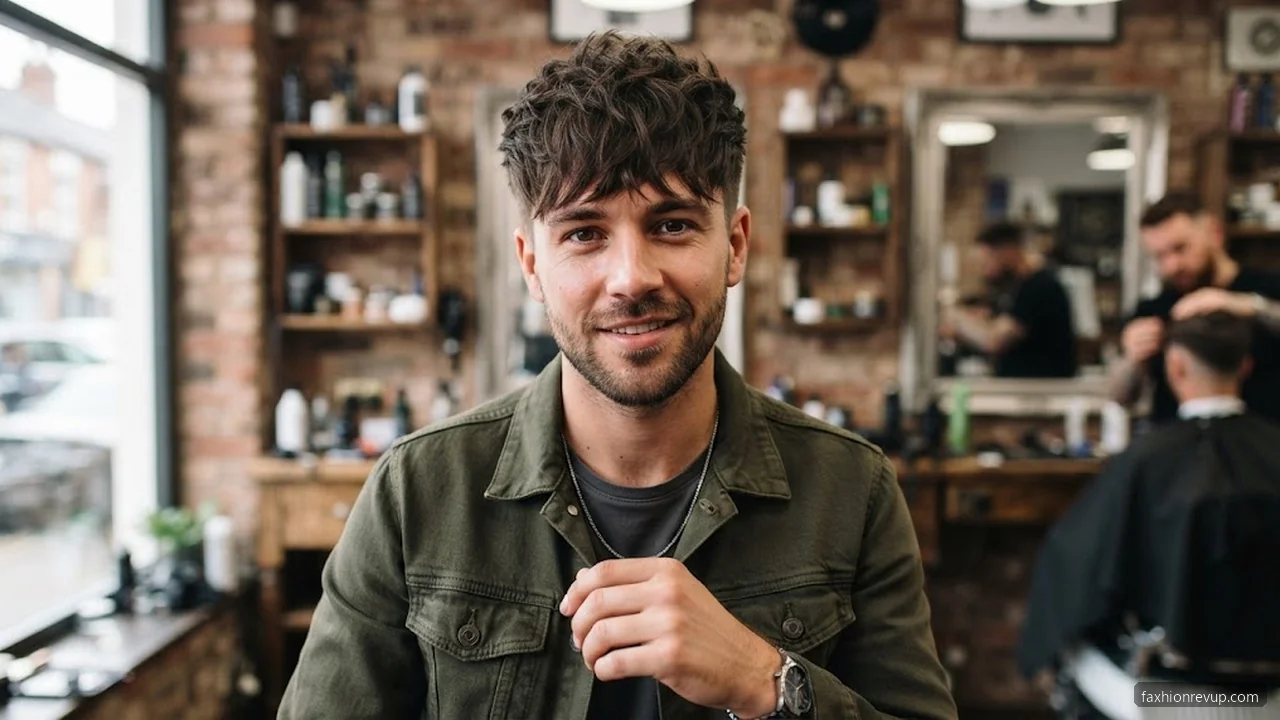
The messy fringe keeps two and a half inches on top and cuts the sides with a #3 guard. Your barber point-cuts the fringe so the ends break into separate pieces. Ask for a soft outline around the ears and neckline instead of a sharp line.
Heart-shaped faces get good balance because the fringe narrows a wide forehead. Straight to wavy 2A-2B hair holds this shape without much daily work. A few sprays of sea salt spray add grit, and you need a trim every four weeks.
Messy Quiff

A messy quiff builds three inches of loose height on top and fades the sides low with a #2 guard. The fade starts just above the ear and curves down behind it. Your barber leaves weight at the front so the quiff sweeps back without falling flat.
Oval and square faces carry the height well, while round faces should keep the sides tight. Thick straight hair works best because it stands up on its own. Matte clay gives a dry hold, and a touch-up every three weeks keeps the fade sharp.
Messy French Crop
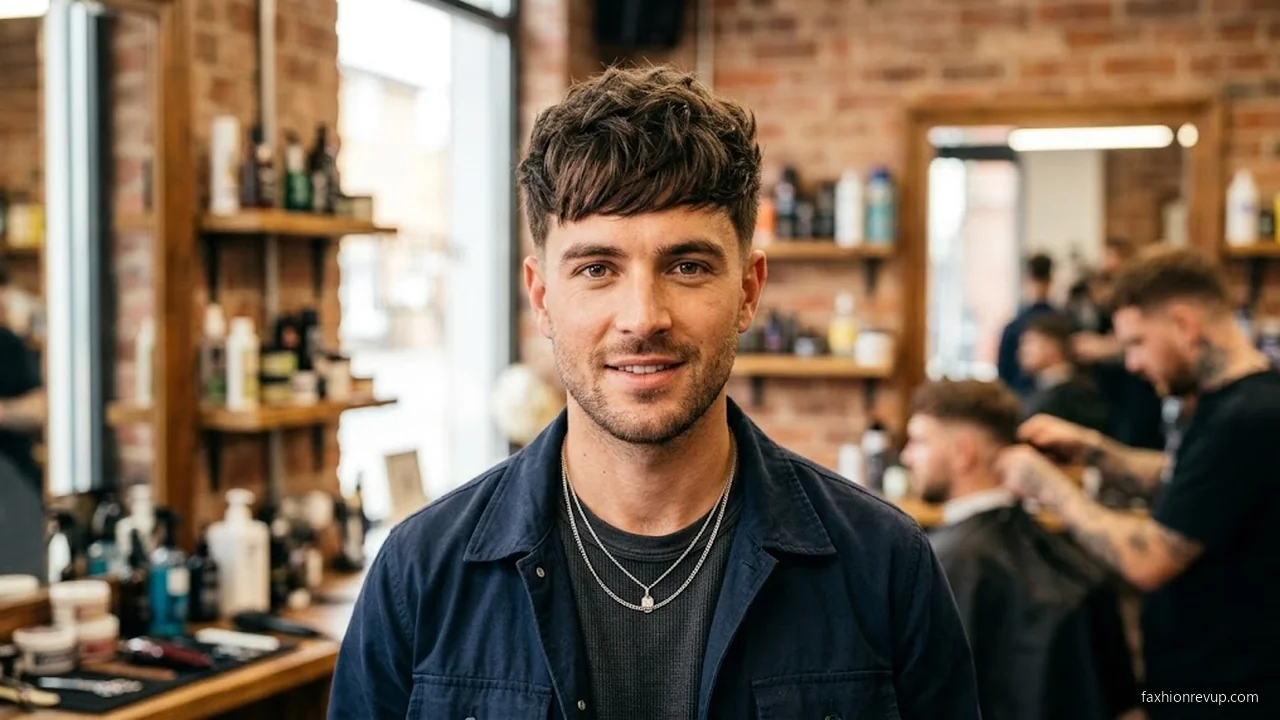
The messy French crop keeps an inch and a half on top with a mid fade at the temple. Your barber cuts the top with scissors and adds a fringe that sits above the brow. A #1.5 guard on the sides leaves a soft blend that shows the taper.
Round faces benefit from the tight sides and textured top because it adds height without width. Fine straight hair holds this shape better than thick hair that bulks up. Texture paste keeps the fringe piecey, and you need a trim every three weeks.
Messy Taper Fade

A messy taper fade keeps two inches on top and shortens only the sideburns and nape with a #2 guard. This is a taper, not a full fade, so some length stays around the ears. Your barber blends the taper into the top for a soft transition.
Diamond faces like the width this cut keeps near the temples and jaw. Wavy 2B-2C hair adds natural movement that suits this loose top well. Sea salt spray gives a dry, piecey finish, and a trim every four weeks maintains the shape.
Messy Flow

The messy flow leaves four inches on top and tapers the sides with a #4 guard. Your barber scissor-cuts the length so it sweeps back without a hard line. The outline stays soft around the ears and neck for a relaxed feel.
Oblong faces suit this cut because the side weight balances their extra length. Medium wavy hair holds this swept-back shape with very little daily effort. Curl cream controls frizz and keeps the flow soft, and you can wait six weeks between trims.
Messy Curtains

Messy curtains keep four and a half inches on top and taper the sides with a #3 guard. Your barber cuts a center part that lets the front fall into two loose halves. The length skims the eyebrows so the curtain opens without covering your eyes.
Heart-shaped faces get a narrower forehead from the center split and side sweep. Straight thick hair works best because it holds the part without falling flat. Matte paste adds grip, and a trim every five weeks keeps the shape.
Messy Layered Cut
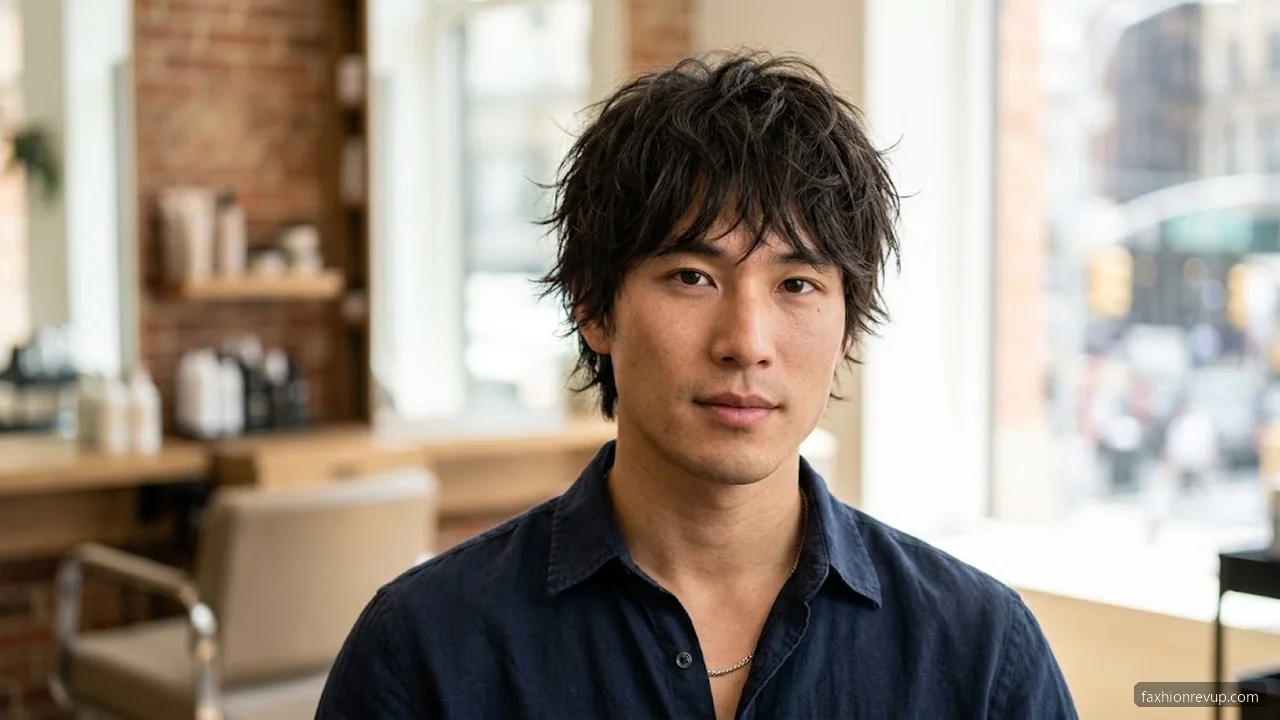
A messy layered cut leaves five inches on top and tapers sides with a #4 guard. Your barber adds invisible layers that remove weight and create natural movement. The ends are point-cut so they separate instead of clumping into one mass.
Oval faces wear the balanced layers easily, but the cut also flatters a strong jaw. Thick wavy hair gets the most from the weight removal and texture. Matte clay defines the layers, and a trim every six weeks keeps the shape.
Short Messy Hair
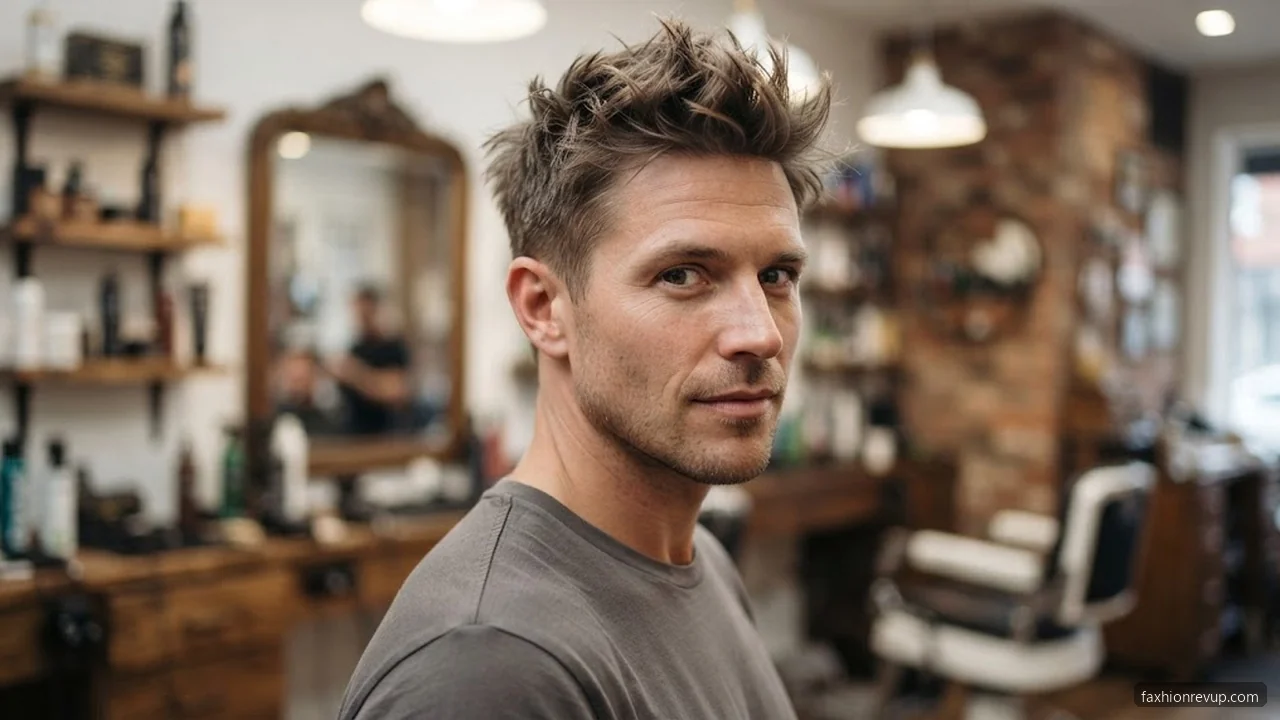
Short messy hair keeps two inches on top and uses a #2 guard on the sides. Your barber cuts the top with scissors and removes bulk so it stands up. The outline stays square at the sideburns for a sharper, cleaner edge.
Square faces suit the tight sides and short height because it echoes their angles. Fine hair works better than thick hair that needs more length to lie flat. Texture paste adds hold, and a touch-up every three weeks keeps the sides neat.
Medium Messy Hair

Medium messy hair leaves three and a half inches on top and tapers the sides with a #3 guard. Your barber cuts the top to move in different directions without a fixed part. The sides stay long enough to tuck behind the ears for a relaxed shape.
Triangle faces gain balance from the top volume and the slightly fuller sides. Straight hair holds this shape with a rough dry and a little product. Matte clay keeps the finish dry, and a trim every five weeks stops it growing out.
Long Messy Hair
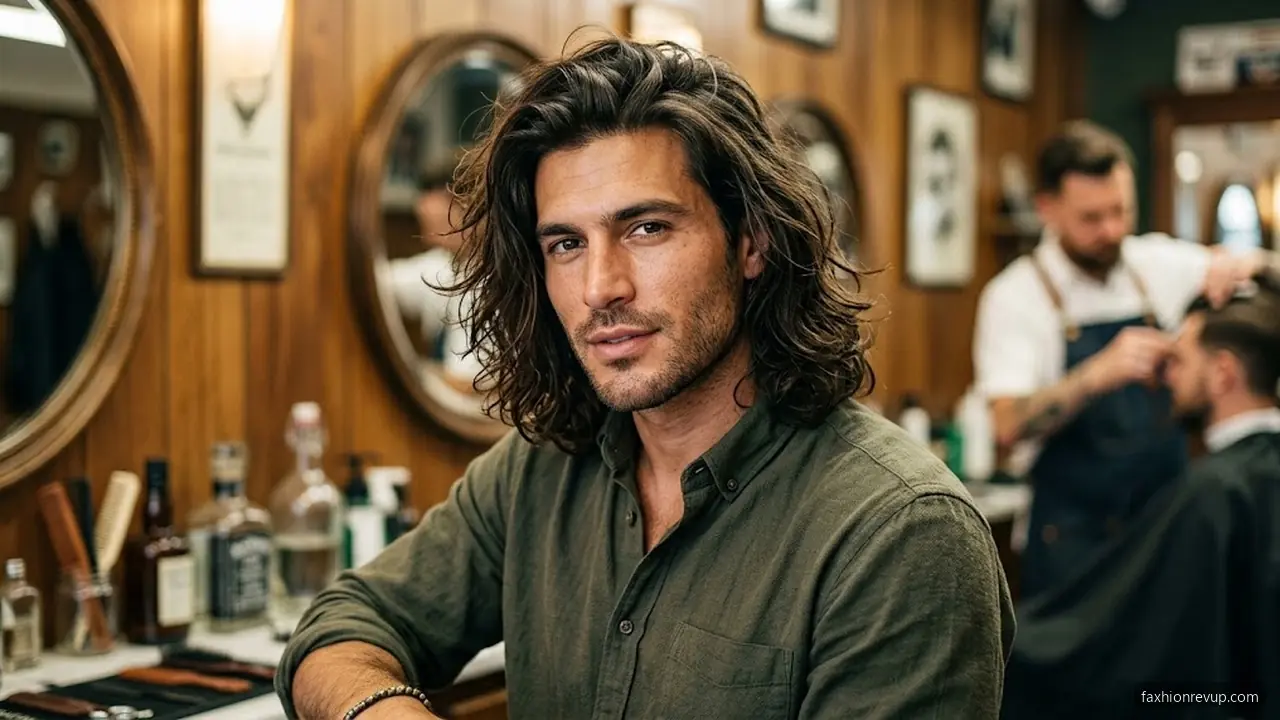
Long messy hair keeps six inches on top and uses a #4 guard on the sides to leave weight. Your barber layers the length so it falls in loose, undone waves. The ends get point-cut to avoid a heavy, solid bottom edge that looks blunt.
Oblong faces suit this length because the waves add width around the jaw. Wavy 2C hair gets the best movement from the layers and the soft ends. Curl cream defines the waves, and you can stretch trims to eight weeks.
Messy Fade

A messy fade takes two and a half inches on top and blends sides to skin with a #0. The fade starts high at the parietal ridge and drops behind the ear. Your barber keeps the top textured so the contrast stays soft and wearable.
Round faces gain height from the tight sides and the textured top. Thick straight hair shows the fade best because the contrast reads clearly. Matte clay holds the top, and a touch-up every two weeks keeps the skin fade sharp.
Messy Undercut

A messy undercut leaves four inches on top and clips the sides very short with a #1 guard. The disconnect between the top and sides is the point, so the line stays visible. Your barber keeps the top long enough to sweep across the shorter sides.
Diamond faces should skip this cut because the very short sides tighten the temples. Straight hair works best because it shows the sharp line without much bulk. Matte paste gives a dry hold, and a trim every three weeks keeps the contrast.
Messy Brush Up

A messy brush up keeps two inches on top and tapers the sides with a #2 guard. Your barber cuts the top so it brushes upward and back without a hard part. The front stays slightly longer so the brush up has something to grab.
Square faces suit the upward movement because it softens their strong jaw line. Thick hair holds the brush up better than fine hair that falls flat. Sea salt spray adds grip, and a trim every three weeks keeps the taper clean.
Messy Side Part

A messy side part keeps three inches on top and tapers the sides with a #3 guard. Your barber cuts a loose part that does not look too straight or too sharp. The top stays long enough to fall over the part in a soft sweep.
Oval faces wear the balanced proportions easily, but the cut also flatters a heart shape. Fine hair holds this style better than thick hair that needs more weight removal. Matte clay adds texture, and a trim every four weeks keeps the part sharp.
Messy Slick Back
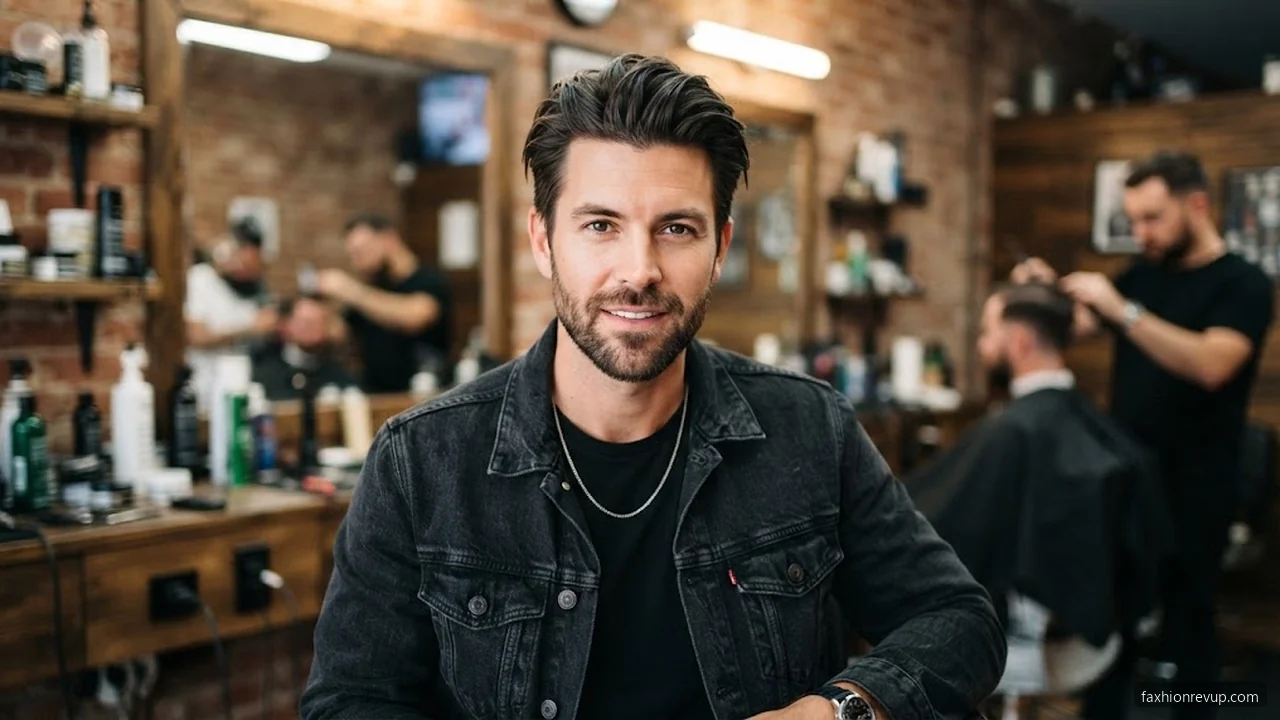
A messy slick back leaves four inches on top and tapers the sides with a #4 guard. Your barber cuts the top long enough to comb back, but adds texture so it never looks glued down. The sides stay full enough to connect with the top for a smooth shape.
Oblong faces suit the low, horizontal volume because it adds width instead of height. Straight thick hair holds this combed-back shape without much extra daily product. Pomade gives shine and control, and a trim every four weeks keeps the length manageable.
Messy Curly Hair

Messy curly hair keeps three inches of curl on top and fades the sides with a #2 guard. Your barber cuts the curls dry so the shape matches how they sit day to day. The sides get a soft fade that follows the natural curve of the head.
Heart-shaped faces gain width at the jaw from the rounded top and tight sides. Curl types 3A-3C work best because the pattern creates its own volume. Curl cream defines the curls, and a trim every six weeks keeps the shape.
Messy Wavy Hair

Messy wavy hair keeps three and a half inches on top and tapers the sides with a #3 guard. Your barber cuts the top to follow the wave, so the hair falls into loose sections. The outline stays soft around the ears to match the relaxed texture.
Round faces suit the height on top and the tighter sides that this cut provides. Wavy 2A-2B hair holds the shape with a simple air dry and little effort. Sea salt spray adds grit, and a trim every five weeks keeps the waves from flattening.
Messy Straight Hair

Messy straight hair keeps two and a half inches on top and fades the sides with a #2 guard. Your barber adds texture through point-cutting because straight hair can look flat. The fade sits low and blends into the top for a clean contrast.
Diamond faces like the extra width the textured top adds near the temples. Fine straight hair works best because it responds well to point-cutting and paste. Texture paste creates separation, and a trim every three weeks keeps the fade neat.
Messy Mullet
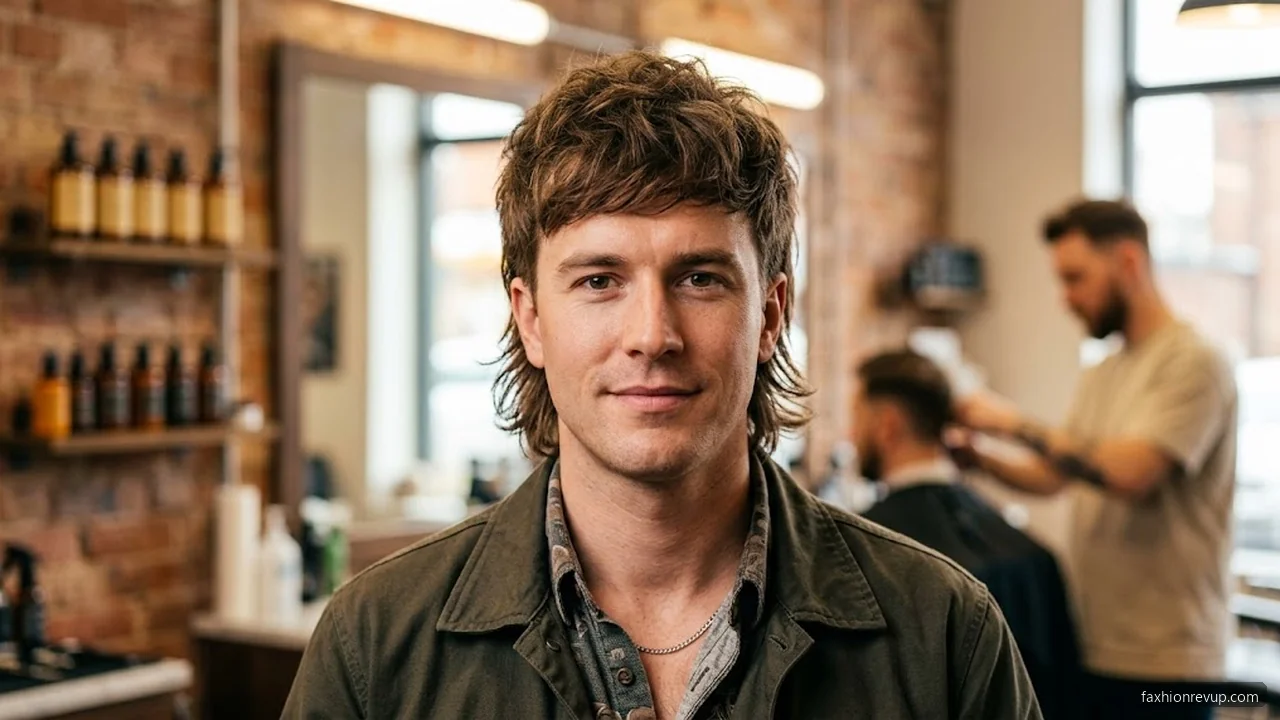
The messy mullet keeps three inches on top and tapers the sides with a #2. Your barber cuts the back to five inches so it flows past the neck. The sides stay short, but the transition to the back is blended rather than disconnected.
Oblong faces suit the back length because it adds width below the jaw. Wavy hair works best because it gives the mullet a loose, natural finish. Sea salt spray adds texture, and a trim every six weeks keeps the back shape.
Messy Man Bun

A messy man bun keeps eight inches on top and tapers the sides with a #3 guard. Your barber leaves the length long enough to gather at the crown without pulling tight. The sides stay short enough to show a clean taper under the bun.
Square faces suit the contrast between the tight sides and the gathered top. Thick wavy hair holds the bun with less slipping than fine hair. Curl cream smooths the top, and a trim every eight weeks keeps the shape.
Messy Spiky Hair

Messy spiky hair keeps two inches on top and fades the sides with a #1 guard. Your barber cuts the top into short, uneven layers so the spikes look random. The fade starts low and keeps the sides tight for a sharp contrast.
Round faces gain height from the spikes, which balance their full cheeks. Thick straight hair works best because it holds the spikes upright all day. Matte clay gives a dry hold, and a trim every three weeks keeps the fade sharp.
Messy Comb Over

A messy comb over keeps three inches on top and tapers the sides with a #2 guard. Your barber cuts the top to sweep across without a hard part or a slick finish. The sides stay short, and the length on top creates a soft, uneven line.
Heart-shaped faces suit the side sweep because it narrows a wide forehead. Fine hair holds this shape better than thick hair that wants to stand up. Pomade adds shine and control, and a trim every four weeks keeps the sweep neat.
Messy Pompadour

A messy pompadour keeps four inches on top and fades the sides with a #3 guard. Your barber leaves volume at the front and cuts the sides short to push that height forward. The top gets textured so the pompadour looks loose instead of stiff.
Oval faces wear the height easily, and the cut also flatters a square jaw. Thick hair holds the pompadour better than fine hair that tends to collapse. Matte clay builds the shape, and a trim every three weeks keeps the fade fresh.
Messy Wolf Cut

The messy wolf cut keeps five inches on top and uses a #3 guard on the sides. Your barber layers the top and back so the shape looks shaggy but balanced. The sides stay short, and the back flows past the neck for a wild finish.
Diamond faces like the width the layers add near the forehead and temples. Wavy 2C hair works best because it gives the wolf cut natural movement. Sea salt spray adds grit, and a trim every seven weeks keeps the layers from growing out.
Korean Messy Hair

Korean messy hair keeps four inches on top and tapers the sides with a #4 guard. Your barber cuts the top to fall forward and to the side without a hard part. The sides stay soft and slightly longer so the shape looks gentle rather than sharp.
Oval faces suit the soft proportions, but the cut also works for a heart shape. Straight thick hair holds the forward sweep better than very fine hair. Matte paste adds light texture, and a trim every five weeks keeps the shape.
Messy Skin Fade with Textured Top

A messy skin fade with textured top keeps two and a half inches up top. The fade goes to the skin at the bottom and rises to the parietal ridge. Your barber adds texture on top so the cut looks relaxed against the sharp sides.
Square faces suit the strong contrast between the skin fade and the textured top. Thick hair shows the fade best because the blend lines read clearly. Matte clay gives a dry hold, and a touch-up every two weeks keeps the skin clean.
Messy Shag with Curtain Bangs

The messy shag pairs five inches of layered top with curtain bangs that split at the center. Your barber cuts the bangs at cheekbone level so they sweep out rather than fall flat. The sides stay tapered with a #4 guard, which keeps the shag from looking round.
Heart-shaped faces suit the curtain bangs because they narrow a wide forehead. Wavy 2B hair gives the layers a loose, undone shape that moves when you do. Sea salt spray adds grit at the roots, and a trim every five weeks keeps the bangs from dragging.
Messy Angled Fringe with Taper

An angled fringe drops longer on one side and keeps two inches on the top. Your barber cuts the taper with a #2 guard around the sideburns and nape only. The diagonal line draws the eye across the face instead of straight down it.
Diamond faces get good balance from the diagonal sweep, which adds width at the forehead. Straight thick hair holds the angle better than fine hair that drops flat. Matte paste keeps the fringe piecey, and a trim every four weeks holds the line.
Messy vs Textured vs Tousled: What’s the Difference?
The three terms describe different things, and barbers use each for a different result. Messy is a finish, textured is a cut, and tousled is a shape. Knowing which one you want stops the wrong tools from coming out.
| Term | Definition | Best Hair Type | Finish |
|---|---|---|---|
| Messy | An undone finish with separated ends and no fixed part | Straight to curly 3C | Dry and matte |
| Textured | A cut with point-cut layers that remove weight and add movement | Thick hair of any pattern | Piecey with soft edges |
| Tousled | A swept, loose shape built with fingers rather than a comb | Wavy 2C to curly 3B | Loose and slightly lifted |
| Choppy | Short, uneven layers cut close for a broken surface | Fine to medium straight hair | Flat with visible separation |
| Slick | Comb lines kept but broken up with a matte product | Straight 1A-2A hair | Low shine with firm hold |
Ask for texture when you want a cut that holds shape on its own. Ask for a messy finish when the cut is right but sits too neat. Use tousled only when you mean a swept shape, not a specific cut.
How to Ask Your Barber for Messy Hair
A vague request usually gets you a neat cut that you did not want. Four details settle the whole shape before the clippers even come out. Say them in this order, so nothing about the cut gets missed.
- Show a photo: Bring two photos from different angles. So, your barber can see the top length and the side blend before cutting.
- Name the guards: Say “a #2 on the sides fading to. A #1 at the temple” so the blend height stays clear.
- Describe the top: Give the length in inches. Like “three inches with point-cut ends”, since no guard covers past one inch.
- Set the outline: Ask for a soft neckline and natural sideburns. If you want the finish to look undone rather than sharp.
What Makes Messy Hair Look Intentional?
- Clean outline: Keep the neckline and sideburns tidy. Because an undone top needs a sharp edge to read as a style choice.
- Matte product: A pea-sized amount of clay or paste keeps shine down, and shine makes messy hair look unwashed.
- Broken texture: Pinch small sections with your fingertips after styling, so the ends split into separate pieces instead of clumps.
- Balanced volume: Lift the roots at the crown and keep the sides flat. This stops the shape from looking heavy or round.
Common Messy Hair Mistakes
Small errors can make an undone cut look careless rather than properly styled. Most of them show up in the first week after a fresh trim. Fixing them takes far less effort than growing the shape back out again. See American Academy of Dermatology hair care guidelines for more.
- Too much product: A dime-sized amount of clay is plenty. Because extra product weighs the top down and kills the lift.
- Shiny finish: Pomade and gel reflect light, which flattens the texture and makes separated ends look wet instead of dry.
- Ignoring the sides: Letting the sides grow past the guard you. Asked for blurs the contrast and rounds out the whole shape.
- Blunt layers: Cutting the top in straight lines leaves a heavy shelf. So, ask for point-cut ends that fall in soft pieces.
How Often Should You Trim Messy Hair?
How often you book depends on how short the sides are, because that is what grows out first. A skin or high fade shows regrowth within two weeks. Tapers hold their shape for three to four weeks. Layered tops can stretch to six or eight weeks between visits. Ask your barber to leave the top alone between trims. See Healthline hair health and wellness resources for more.
Best Face Shapes for Messy Hairstyles
| Face Shape | Best Messy Style | Barber Ask |
|---|---|---|
| Round | Messy quiff | “Three inches on top with a #2 on the sides” |
| Square | Messy brush up | “A #2 taper and point-cut ends to soften the angles” |
| Oblong | Messy flow | “Four inches on top and a #4 on the sides for width” |
| Heart | Messy curtain bangs | “A four-and-a-half-inch top with a center part at the brow” |
| Diamond | Messy straight hair | “Two and a half inches on top with a #2 fade” |
How to Style Messy Hair: Products and Routine
- Pre-styler: Work a light cream or mousse into damp hair before drying, because it builds the base shape that holds.
- Matte clay: Warm a pea-sized amount between your palms. Then, push it through dry hair from the back toward the front.
- Sea salt spray: Six sprays at the roots add grit and lift. The salt helps wavy hair keep its loose shape.
- Blow-dryer: Aim the air from below at the crown for lift, and keep the sides flat with downward strokes.
Frequently Asked Questions
Can messy hair work for a job interview?
Yes, a neat version works well when the sides look clean and the top stays tame. Keep the outline sharp, and skip any product that adds shine. Push the front up and back so the shape looks deliberate. Avoid heavy texture at the fringe, since loose pieces read as untidy.
Does messy hair look better on day one or day two?
Day two usually looks better, because natural oils give hair extra grip and hold. Freshly washed hair is soft and slips out of the shape you build. Rinse with water on the second day and restyle without shampooing again. If your scalp gets oily fast, use dry shampoo at the roots instead.
Can you build messy hair from a buzz cut without an awkward phase?
Growing out a buzz cut always has a middle stage where the sides look fuzzy. Ask your barber to taper the sides while the top grows past two inches. That keeps the outline clean and hides the in-between length on the sides. Point-cutting the top as it grows adds texture before the length arrives.
Does humidity ruin messy hairstyles?
Humidity swells straight hair and makes fine hair fall flat within an hour. A matte clay with firm hold resists moisture better than a light cream. Sea salt spray helps wavy hair keep its shape in damp weather. Keep a small tin in your bag and add a little product at midday.
Should messy hair have a parting or not?
A soft part gives the shape direction, which stops the top from lying flat. Skip the hard line a comb creates, because it fights the undone finish. Push the hair across with your fingers instead of drawing a sharp part. The quiff and brush up look better with no part at all.
What Are the Best Messy Hairstyles for Men with Thin Hair?
Thin hair looks fuller with a French crop or a short textured top. Keep the sides tight so the top carries all the visible volume. A #2 guard on the sides and two inches up top balance the shape. Matte clay adds thickness at the roots without weighing hair down.
Which messy hairstyle suits a round face?
The messy quiff works best because the height stretches a round face. Keep the sides short so no extra width sits above the ears. Skip volume at the temples, which widens the face instead of lengthening it. Ask for three inches on top with point-cut ends for movement.
How do you keep messy hair looking intentional at the office?
Keep the outline tidy and the top soft, which reads as styled rather than sloppy. Use a matte paste with medium hold so the finish never looks wet. Sweep the fringe to one side instead of letting it fall over your eyes. Add a little water on your fingers and reshape the front at midday.
What products work best for messy hair without making it greasy?
Matte clay and paste give hold without the shine that reads as greasy. Use a pea-sized amount and warm it fully between your palms first. Water-based pomade rinses out easily, while oil-based pomade builds up over time. Skip heavy gels, because they flatten the texture and leave visible flakes.
How long does it take to grow out a messy hairstyle from short hair?
Expect about eight months to reach four inches on top from a short cut. Hair grows about half an inch a month, so the wait is mostly fixed. Trim the sides every three weeks while the top grows past your ears. A tapered outline keeps the shape wearable for the whole grow-out.
Conclusion
Book a textured cut if you want a shape that moves without daily effort. Start with the messy fringe or the quiff, since both suit most face shapes. Round faces should ask for tighter sides and more height on top. Fine hair holds a French crop better than a heavy layered top.
Tell your barber the guard, the top length in inches, and the outline you want. Ask for point-cut ends so the texture holds between visits. Book a touch-up every three to five weeks to keep the sides sharp. That routine keeps Messy Hairstyles for Men looking deliberate rather than neglected.
Peter Johnson has spent over 10 years behind the chair as a licensed barber and hairstylist, working with men’s grooming brands across the US. He writes for faxhionrevup.com to bring practical, tested haircut advice to everyday readers. Peter stays current with trends through hands-on client work and industry training, ensuring every guide reflects real barbering expertise.